Archive for 2020

Home / 2020

With Valentine’s Day just around the corner, love is well and truly in the air. So, what better time to take a look at ways retailers can incorporate emotion within their marketing to attract and inspire their customers?

So-called “emotional marketing” can be an incredibly effective tactic, so long as it’s applied in the right way for your audience. In this guide we’ll share some tips on how brands can effectively tap into their target consumers’ emotions while delivering compelling campaigns. Starting from the top…


What exactly is ‘emotional marketing’?

Hubspot sums up emotional marketing perfectly:

‘Emotional marketing refers to marketing and advertising efforts that primarily use emotion to make your audience notice, remember, share and buy. Emotional marketing typically taps into a singular emotion, like happiness, sadness, anger or fear, to elicit a consumer response.’

Emotion makes up a major component of a shopper’s attention span and purchase decision. But our emotions don’t just stop at happiness, sadness, anger or fear. Each emotion could be said to have sub emotions, as illustrated here by Robert Plutichik’s ‘wheel of emotions’. If you feel happy, you might be feeling mildly content or you could be in total ecstasy, for example.

Depending on your brand, product and target audience, you can’t always target a basic emotion like happiness. Sometimes you need to dig deeper to identify an exact emotion, which can then be used to inform every aspect of your marketing.


Why does it work?

Consumers trust humans over brands. That’s why brands drawing on emotion – a human trait – can really resonate with people.

A Braze and Forrester Consulting survey cited by The Drum found that consumers heavily favour brands that successfully show their ‘humanity’. Nearly six in ten (57%) admitted that they’d be more loyal to a human brand.

Aside from helping to humanise your brand, emotional marketing works because:


It makes a great first impression

First impressions mean everything. An advertisement that makes you laugh or cry is much more likely to catch your eye and stay with you than one that simply talks about the USPs of a product.


It allows consumers to decide with their hearts

Studies show that emotional responses to marketing have a greater influence over a person’s intent and decision to purchase than the content of an ad or piece of marketing. In a study shared by HubSpot, campaigns with purely emotional content outperformed those with rational content 31% vs 16%.


It gets people to act

Emotions go on to inspire other actions. For instance, happiness makes us want to share, and sharing can raise brand awareness. Sadness makes us connect and empathise, the latter leading to increased giving, while surprise and fear makes us want to cling to what’s comfortable, which can drive brand loyalty.


Three tips on making it work

Now you’ve got a grasp of what emotional marketing is and why it works, here are some tips for how to successfully implement it.


1. Know your audience

The key to any successful marketing campaign is making sure you’re 100% clear on who it is you’re targeting. Carrying out audience research can be time-consuming but is an essential step that can pay dividends in the long run. You need to uncover your target consumers’ pain points or general desires, then identify exactly what emotion will elicit the best response.


2. Evoke emotions with colour

Colour and emotion work hand in hand. Many of the big brands already use colour psychology to elicit certain feelings from their audiences – for instance, the ‘Starbucks green’ is linked with harmony, nature and health, all elements of the brand and its ‘green’ movement.

Red is associated with power, energy (think Red Bull red) and determination, black with power and elegance, blue with depth and stability. Once you’ve pinned down your emotion, do your research on colour psychology and pick a hue that will help you to convey that emotion best. Just remember to be consistent with the colour and messaging across your marketing collateral.


3. Create a story

Storytelling is incredibly powerful because it helps to humanise your brand – stories are relatable, inspiring people to empathise with the characters involved. We only need to think of the stories shared by the big retailers vying for the best Christmas advert every year to know just how effective they can be.

Identify your emotion and build your story from there. Entrepreneur explains that it can be really effective to shape the story around your brand’s presence in the lives of people experiencing a certain milestone. It cites New York Life as an example – the campaign featured a child’s first steps and assures you that it will be there for ‘all of life’s ups and downs’.

If you want to inject more emotion into your marketing campaigns and take your customer experience to the next level, we can help. The Delta Group empowers imagination by delivering dynamic, multi-channel marketing to customers across the globe. Get in touch today to find out more.
Last year, artificial intelligence (AI) played a key role in MarTech and in enhancing the overall human experience through the analysis of big data.

But according to an article we came across in My Total Retail, marketing professionals will be contemplating what’s to come this year – and beyond – to identify the technologies that will have the biggest impact on the retail sector.

As this is a time of rapid innovation for retail, here are the three key AI themes guaranteed to make an impact this year.


AR transforms in-store experiences

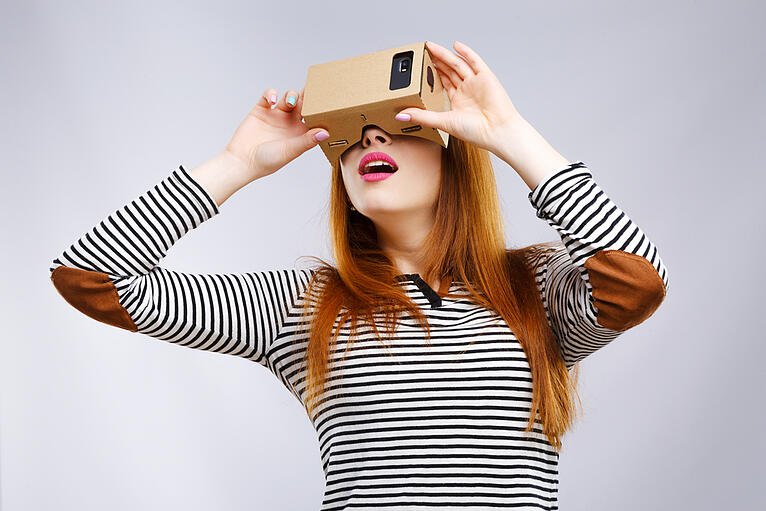
Augmented reality (AR) is undoubtedly one of the most exciting technologies to enter the retail space. As AR is digital content viewed on top of ‘real world’ items and backgrounds, even a simple box on a shelf can ‘augment’ consumers’ experiences – provided brands make that content engaging.

This year more and more retailers, together with the agencies that support them, will look to add AR to their offering in a bid to impress in-store customers.


AI inspires marketing and personalisation

Today’s consumers zone out of ads that lack personalisation, particularly on platforms such as social media. Innovative retail brands are already creating their own proprietary data sets – or data lakes – to explore, perfect and evaluate the petabytes of data sent from multiple sources (for instance web, social, RFP, etc.).

When these data sets reach sufficient volume levels, they can be used internally to ‘train’ AI functions that cannot be copied by other brands. The result? Even more personalised experiences in stores as well as in ads. This year, more retail wins will be created by AI-generated personalised ad experiences because these technologies cross-pollinate with key advertising channels and mobile apps.


Adopting XR to make virtual – not real – mistakes

To cut the cost of employee development and training initiatives, retailers will begin to explore using extended reality (XR) technologies to mimic workplace scenarios more effectively, while ensuring quicker productivity results.

XR-compatible solutions embedded in products and web-based applications will become extremely valuable, enabling brands to learn in the flow of work and carry out training initiatives during off-peak hours. Similarly, virtual reality (VR) will be used in concepts such as helping staff visualise in-store layouts and holiday traffic flow.

It’s an exciting time for retail, with the sector evolving quicker than ever. The brands that will enjoy the most success this year and beyond will be the ones that embrace these technology-driven changes.

If you need some support, we can partner with you to collaboratively lead change and empower your strategic goals.  Get in touch today.

Personalisation is big business for retailers these days. But is it a fleeting trend, or will it stick around for good?

A recent article in Retail Week points to Coca-Cola’s ‘Share a Coke’ campaign as being one of the most poignant and successful examples of retail personalisation to date.

During the summers of 2013 and 2014, Coke drinkers were able to buy a bottle branded with their own name, written in Coke’s iconic font. When planning the campaign, it was aptly-named ‘project connect’ – as personalisation would help to build stronger connections between the brand and its customers.

Fast forward to today and personalisation has moved on from having your name on a bottle. Now, it’s all about being able to create an experience that’s entirely unique to an individual, and retailers are starting to experiment with this idea in store.

Take jeans brand Levi: its customers can customise their denims by choosing from a range of panels, stencils, stitches and studs offered in store, creating an entirely unique look.

But it’s not just about being able to customise items. Personalisation is now what customers expect.

According to Accenture research from 2018, 91% of shoppers are more likely to purchase from retailers that use their name and make personal, tailored recommendations. Meaning retailers need to consider personalisation when they interact with customers, too.

Brands are making efforts to recognise customers as individuals who they need to build a connection with – for instance, by naming the customer in marketing emails – and this trend doesn’t look like it will fade anytime soon.


Transforming the in-store experience

Levi and Coca-Cola’s efforts are proof that personalisation is transforming the shopping experience beyond simply browsing for mass-produced items available in limited variations. Shops are turning into more than just buildings that house products – they’re becoming lifestyle destinations, all down to personalisation.

Big brands have the budgets to invest in such concepts, but other retailers will be considering where they can mirror these trends in their own stores.

Online retail is strides ahead with personalisation. Search engines learn about individual shoppers and offer them product recommendations, deals and marketing communications based on their behaviour and preferences. Essentially, they’re constructing a profile of each shopper, boosting their relevance with every single interaction. Physical retailers could struggle to match this.


Tangible experiences

Eight in ten (81%) Gen Z consumers in an AT Kearney survey said that they prefer to shop in store, with 73% seeing it as an opportunity to discover new products. At the same time, nearly half of 18-to-35-year-olds said the thing they love most about a physical store is being able to touch things and try them out.

It’s clear that young shoppers value the in-store experience – this is where bricks-and-mortar stores have an advantage over online retailers.

E-tailers simply can’t provide the tangible experiences many shoppers crave, for instance, having human interactions with store staff, shopping with friends and family and being able to see and feel products.

Retailers can learn about a shopper’s behaviour and preferences as they shop in store, and harness the chance to deliver a great customer experience through quality visual communications to boost basket value and inspire loyalty.

And rather than investing heavily in making in-store products customisable, physical retailers can build deeper connections with each shopper by sending them personalised recommendations and offers based on their individual preferences, further driving loyalty and encouraging repeat purchases.

Personalisation has essentially provided a platform for retailers to build deeper relationships with shoppers, who have come to expect to be communicated with based on their individual needs and still value physical experiences.

If you need some help designing and delivering exceptional visual communications to skyrocket your customer experience, get in touch with the Delta Group today.

The retail landscape is changing at a rapid pace, driven by technology which is being constantly developed and refined to meet the needs of today’s digital-first consumers.

We can confidently say that any new retail trend for 2020 will involve technology in some way, but what will that technology be? And how much will it transform the sector? Let’s take a look at seven retail trend predictions for online and in-store this year.


1. AR and VR to become more mainstream

Augmented reality (AR) and virtual reality (VR) have gained traction in recent years, adopted by forward-thinking retailers wanting to create more engaging and immersive customer experiences. Think apps that let customers try on clothes without moving a muscle, or sample what pieces of furniture will look like in their home before they buy.

Consumer demand for convenience, coupled with advancements in AR and VR which has made them more affordable to implement, means the tech is set to become more widespread this year, thinks BizTech Magazine.


2. Retailers to explore new shop formats

Forbes believes more brands will trial opening stores like Amazon Go, where sensors detect what shoppers pick up and charge them accordingly, ridding the need of checkouts or cashiers. It’s yet another progressive step in the integration of digital and physical retail, improving customer experience while slashing labour costs for retailers.


3. The death of marketing ‘clickbait’

Speaking to Econsultancy, Phrasee CEO Parry Malm believes this year spells the end to what he calls the ‘clickbait decade’ – think messages like ‘Act NOW,’ ‘There’s only X amount left,’ or ‘You’ve only got X to BUY BUY BUY’. The issue with this race-to-the-bottom marketing is that it’s short-termist and risks damaging long-term brand equity.

“Short-termism and exploiting people’s emotions & vulnerability is SO last decade,” Malm says, adding: “Focusing on dwell time with your brand and producing valuable content that engages your audience is the only thing that will prevent you from being the unenviable winner of the race-to-the-bottom.”


4. IoT to be adopted by more stores

As physical and digital retail continues to blur, more retailers will look to implement the Internet of Things (IoT) within their stores. It’s predicted that there will be 30 billion IoT devices in operation in 2020, up from 15.4 billion in 2015. The Mckinsey Global Institute believes that the economic impact of these devices on the sector will amount to between $410 billion and $1.2 trillion by 2025.

IoT powers things like smart shelves, automated checkouts and personalised discounts. Shoppers can receive discount alerts when they are near a certain store, while those stores are able to harness IoT to more effectively track inventory and improve efficiency. This year, more physical stores will be using IoT to create experiences that rival online.


5. Big players explore blockchain technology

Crypto-currencies such as blockchain offer the chance to bypass ‘expensive’ forms of payment, notes RIS, provided those currencies can keep the transactions cheap. But it’s not yet a reality in retail – mainly due to the complex processes involved, along with security issues.

That said, there is scope within the industry to harness the technology for things like trade spend/ promotion management, warranty tracking of goods and product sourcing. We’re likely to see big consultant and tech partners continue exploring and evolving appropriate applications for retail this year.


6. The continued rise of visual search

Visual search is proving to be a big hit with shoppers, especially younger generations. Shoppers can search for clothes or other items by uploading a photo onto platforms like Google Images, then use that to inform the search with artificial intelligence (AI). It’s helping to refine consumers’ product search process, improving CX as a result.

Retailers have a good incentive to adopt visual search: Gartner predicts that brands harnessing the technology will see their digital commerce revenue increase by 30% by next year. Brands targeting younger shoppers should make it a priority.


7. Focus on mobile shopping app security

Today’s consumers are very aware of the vulnerability of their data when shopping online, with a study showing that almost six in ten consumers who don’t use apps are worried their information will be compromised. It’s pivotal that brands have effective solutions in place to put consumers’ minds at ease.

From safeguarding point-of-sale payment information to ensuring processes are GDPR-compliant, retailers will need to respond to consumers’ shifting security needs. This will involve putting apps through the same type of penetration testing and endpoint precautions that companies use to protect other parts of their networks.


What next for your retail business?

No doubt these trends will affect your retail company in some way or another. Success will depend on you anticipating the trends and technologies likely to make the most impact in your specific retail sector, and putting in place processes to adopt them before the competition.

If you need any help harnessing the latest technology trends, why not get in touch with the Delta Group? As Europe’s leading in-store, outdoor and online visual communication specialist, we can help you to create enriching, innovative experiences for consumers and drive sales as a result. Give us a call today!

Long in the works, the so-called ‘5G revolution’ is finally set to gain traction this year. Over the coming months, we’ll see innovative brands utilise the new network capabilities to create enhanced customer experiences.

Mobile browsing will become quicker, smoother and more reliable thanks to 5G. Meanwhile, its huge bandwidth and speed will help to connect billions of devices and sensors and stream data-hungry technologies such as AI and face recognition, in real time and at scale.

It could be game changing for retail marketing, writes Gavin Mee, Adobe’s VP of Northern Europe in an Essential Retail article. Here’s what we can expect:


Mobile opportunity to skyrocket

Mobile has cemented itself as shoppers’ favourite digital platform for browsing, overtaking desktop as the main revenue source in April last year.

But the ability to browse and buy any place, any time, has created a challenge for brands. Shoppers now have more choice than ever before, and their desire for a bargain means their loyalty with retailers they know and trust has started to wane. Could 5G hold the solution?

In terms of customer experience (CX), 5G can offer so much more than smooth mobile browsing and content streaming. Retailers are able to reimagine the shopping experience, merging physical and digital worlds in creative ways, providing entirely new ways for shoppers to engage with brands and their products.


Augmenting retail realities

5G is the first network capable of streaming augmented and virtual reality (AR and VR) experiences to mobile devices in real time. This will allow brands to grab the attention of shoppers who love using their mobile on-the-go.

We’ve already seen AR in practice from some brands, used to overlay products on a person (like glasses or trainers) or a space (like furniture in a person’s home). These technologies will soon become commonplace – so says Gartner, 100 million shoppers could be shopping with the help of AR in-store and online by the end of this year.


The high street makes a comeback

5G will transform physical stores, inspiring consumers to return to the high street. Brands will be able to offer tailored experiences to each person who walks through their doors – digital ad displays will stream targeted ads to shoppers while browsing, for instance, while kiosks will connect people via video call to product experts in ‘call centres’ who can provide virtual, face-to-face assistance.

‘Magic mirrors’ in changing rooms that recognise an item of clothing a shopper is trying on – either through AI or sensors that detect RFIDs – can show product details such as materials, price and care instructions, or make suggestions for matching accessories. In-built touch screens in the mirrors will allow people to request items to be delivered to them, rather than them having to leave the changing room.

5G networks provide the ‘connective tissue’ that supports the vast array of sensor devices required to receive and transmit huge amounts of data that monitor a store, linking it with the retailer’s wider supply and logistics ecosystem. Sensors built into shelves could notify staff when products need replenishing or trigger stock orders from the central warehouse. All this will help to avoid scenarios that cause retailers to miss out on sales or push consumers to shop online instead.


Real-time omnichannel strategies

Data from Adobe show that 73% of consumers use multiple channels before deciding to buy, so it’s little surprise retailers with a true omnichannel presence enjoy an average 13% higher spend.

5G will empower retailers to better utilise the data they have and offer ways to gather data from traditionally ‘non-digital’ platforms, like bricks-and-mortar stores. These types of insights will help retailers understand consumers on a deeper level, designing strategies that people will love.

Retailers that harness the power of 5G this year will be rewarded with great brand loyalty from devoted, repeat customers. If you feel like you need some help harnessing technology to boost shopper experiences, get in touch with Delta Group today.

Last year went out with a bang for many UK retailers, especially e-tailers who saw year-on-year sales jump by almost a quarter in December.

With 2020 well underway, retailers will be doing all they can to ensure continued success through January and beyond. Here are four top tips for brands, courtesy of Retail Week:


1. Go heavy on the discounts

January is synonymous with sales, with consumers extra keen to banish the post-Christmas blues by picking up a bargain or two. While heavy discounting doesn’t equate to the healthiest margins, it will allow you to shift old stock and inspire shoppers to purchase items they might not have previously considered.

But you need more than big red posters in your shop windows. Create inspiring window displays to entice people through the door, ensuring stores are kept exciting, clean and organised to prevent them from resembling jumble sales.

Advertising on social media, offering minimum spend incentives and promoting further discounting are other ways to bring shoppers’ attention to your sales.


2. Utilise returns

An influx of post-Christmas returns is to be expected. Rather than simply offering refunds, see if outstanding customer service can inspire shoppers to exchange the item instead, or spend elsewhere in your store.

You might look to offer incentives to shoppers with returns to buy again, such as free gifts, money-off vouchers or invitations to in-store events. Initiatives like these aren’t commonplace, but they could help to mitigate the losses retailers suffer as a result of returns.

Royal Mail found that three in five shoppers would be unlikely to use a retailer again if the returns experience was difficult, so make sure your process is simple and seamless.


3. Offer experiences

There’s a growing trend among shoppers for buying experiences over ‘things’. You might think this doesn’t bode well for a physical store selling products, but quite the opposite – you can offer a unique and exciting in-store experience alongside your usual stock.

The best type of experiences will depend on your brand, target consumers and what you sell. Some examples include product demos and workshops, or more high-end, technology-based experiences such as virtual changing rooms.


4. Jump on seasonal trends

Making the most of seasonal trends is a great way to drive custom, provided those trends are aligned with your brand. For instance, a lot of people have a health and fitness drive come the start of a new year, so this is a good area to focus on.

There are also campaigns like Veganuary and Dry January, the latter driving sales for brands such as M&S which has seen its low-alcohol category experience 89% year-on-year volume growth.

Sustainability is becoming more important for shoppers too, so think about how you can capitalise on this. You could launch a targeted product range, for example, or promote your company’s sustainability credentials across your marketing.

Whatever your retail goals for 2020, success will depend on your delivering an exceptional experience to consumers. If you feel like you need support, get in touch with Delta Group today.

It may be a brand new year, but many online retailers will still be basking in the success of last year’s sales figures.

An industry survey from BDO cited by Reuters revealed that online sales jumped by 24.5% in December 2019 compared with the previous year.

Figures were influenced by the fact that Cyber Monday was six days later than in 2018. Still, December saw the strongest monthly performance since 2013.

Britain’s brick-and-mortar stores didn’t fare too badly either: year-on-year sales grew by 0.7% in December, BDO’s monthly High Street Sales Tracker (HSST) found.

Sophie Michael, head of retail and wholesale at the accountancy and advisory firm, commented: “Black Friday (29 Nov) never quite ended and instead saw sales continue throughout the month.”

December sales were largely driven by big and widespread discounts across the retail industry – sales which have continued into the new year.

“January tends to be a positive month as people are more inclined to spend in the sales,” Michael noted, adding that it will be interesting to see if sales will be affected by the fact that shoppers may have done their bargain-hunting last month.

The survey from BDO failed to mention the effect – if any – of Prime Minister Boris Johnson returning to power following the 12 December election.

Clothing and home retailer Next was one of the first to report better-than-expected results for the festive period, leading it to raise its profit guidance for the full year.

While Sainsbury’s has just announced a slight -0.7% sales slip over the Christmas period, reports the BBC, this was down to performance of its Argos division. Grocery and clothing sales actually grew by a respective 0.4% and 5% compared with the previous year.

Now we wait on a whole host of other British retailers – including Tesco, Marks & Spencer’s and Morrisons – to release their figures.

Suffice to say, these results paint a positive picture of the retail landscape as we kick off 2020. To capitalise on such a market, it’s important for retailers to deliver outstanding experiences to each and every consumer. If it’s one of your resolutions to improve the customer journey, Delta Group is best placed to help you do just that.

As Europe’s leading visual communications specialist, we can collaborate with you to deliver a dynamic, end-to-end marketing solution. Whether you’d like help on creative, display or technology – or all three – get in touch today.