Author Archive

Home / Author's Article(s) / David Ballard

The world is changing before our eyes. As more examples of extreme weather hit the headlines (wildfires in Greece, the US and Australia; cyclones in Fiji and Indonesia; flooding in the UK, Germany, China, India and the US, to name a few), the climate emergency we’re facing couldn’t be more apparent – or more urgent. 

The UK government’s Net Zero Strategy sets out the country’s road map towards net zero emission by 2050, including plans to reduce its reliance on fossil fuels and switch to low carbon travel options like electric vehicles.  

The world needs to move towards net zero. But what does this mean for businesses still reeling from the impact of the Covid-19 pandemic?  

The events and exhibition industry was hit particularly hard by the pandemic, with a sense of ongoing uncertainty even as restrictions are lifted and the world returns to its new ‘normal’. With so many other priorities, how much time and effort can the industry realistically spend on this issue? When you start to dig a little, the answer is perhaps more than you might imagine… 

Speaking to Exhibition World about sustainability in the industry, Stephanie Mathas, CSR and sustainability manager at RAI Amsterdam and chair of UFI’s Sustainable Development Working Group explained: “Climate change and the way we treat our planet will have an impact on all of us.”  

She highlights the need to act now, saying: “We are seeing more and more attention worldwide for sustainability. I expect that this will only increase. Doing nothing is no longer an option.” 

November’s COP26 conference in Glasgow certainly helped place sustainability firmly in the spotlight. During the event we saw the new Net Zero Carbon Events initiative (a joint commitment across the events industry to achieve the targets laid out in the Paris Climate Accord) being backed by a number of leading industry associations including UFI, ICCA, and AIPC. 

As James Rees, president of ICCA and JMIC stated: “The events industry has a special role to play in tackling climate change. We provide the meeting places and market places to work on solutions to the climate crisis. At the same time, we have a responsibility to minimise our own impact on climate change.” 

The initiative is collaborative and inclusive, identifying the commitments required to reduce and neutralise event-related greenhouse gas emissions. Despite the pressure caused by the pandemic, sustainability remains a key priority for exhibitions and their participants. But there is still a long way to go. A report looking at sustainability in exhibition, published by UFI, revealed that just over one third of exhibitors and visitors ‘would not attend a trade show that does not have a responsible approach to sustainability.’ 

Increasing pressure from investors is focused on demands to see ‘green’ portfolios from companies. According to the UFI report, investments from the exhibition industry for programmes related to sustainability had not been as affected in the same way as others. 

As Mathas explains: “We don’t have the luxury to slow down.” It’s not a case of companies moving towards ‘more sustainable’. Something is either sustainable or it is not. Suffice to say, the industry still has much work to do. 

We are now at a point where businesses cannot choose to ‘get back on their feet’ before starting to think about sustainability. That ship has sailed. More to the point, no business can even start to get back on track without sustainability at the heart of what they do. 

This quest for net zero is likely to bring with it greater regulation. And rightly so. If you are operating a company that creates carbon emissions, it makes sense to expect regulation. 

So, what’s the ideal scenario? An events industry delivered by a net zero supply chain? Total transparency about the carbon footprint of every event? This future doesn’t have to be a pipedream. It can be a reality – as long as changes are made now and sustainability becomes the industry’s top priority. Starting with its leaders. 

Are you looking to move your business towards net zero? The team at Delta can help – get in touch to find out more: hello@thedeltagroup.com.

Huge strides have been made in recent years towards greater sustainability within the beauty industry. We’ve seen a boom in beauty products that are better for the planet and people, 

with ingredients and packaging in many cases, being given a complete eco-overhaul. 

However, unless we see more positive customer perception, it’s hard to imagine how the sustainable beauty industry can be an outright success, reports CosmeticsDesign-Europe

Last year, the two top beauty trends to watch in the EMEA region (identified by CosmeticsDesign-Europe) were green beauty and self-care society. These two concepts see the worlds of good-for-the-planet and good-for-me (aka wellbeing) collide. Together, they encapsulate the move towards more mindful consumption. 

Speaking at SEPAWA 2021, Tina Choi-Odenwald, research director and head of beauty and home at market research firm GIM explained how mindful consumption was becoming an increasingly crucial customer trend throughout the beauty industry and beyond. 

There are all sorts of words that tap into the realm of mindful consumption. These include: sustainable, natural, organic, ethical, eco-friendly, and healthy, to name but a few. 

As a result, when we talk about mindful consumption, it’s as complex as it is holistic. According to Choi-Odenwald: “It’s about the environment and sustainability, but also health aspects, for example, doing something good to respect yourself, your body, and also respect others.” 

From a customers’ point of view, this level of complexity can seem like a bit of a minefield. For instance, some terms – such as ‘sustainable’ – have different interpretations for different people. 

According to a recent GIM online survey, there are five customer perceptions of sustainability. These are: climatic sustainability; resource sustainability; ecological sustainability; social responsibility; and economic sustainability. 

Two of those were found to be front of mind for consumers when it comes to sustainability: resource sustainability (saving vital resources such as water, food and land), and ecological sustainability (protecting the world’s precious ecosystem). That’s not to say the other definitions are deemed unimportant to customers, rather that climatic sustainability, for example, is not what immediately comes to mind when they hear the word ‘sustainable’. 

Choi-Odenwald went on to speak about customers being driven by the desire to buy ‘better for the environment’ and ‘better for me’. However, central to this is customer perception. Unless a consumer perceives a product as completely sustainable and buys it, it can never really be deemed a success. 

Sometimes, reality doesn’t necessarily align with consumer beliefs. Take a plastic bottle, for example. The first thing customers see when they look at it is that plastic bottle floating in the sea. By contrast, glass cardboard and paper carry far more positive connotations for consumers – despite these not always offering the most sustainable alternative. 

The answer lies in education. Manufacturers and brands that have well-refined, sustainable packaging need to communicate its benefits clearly and concisely to the consumer.

As for whether brands need to focus their efforts on sustainability perceptions or sustainability actions, it comes down to a balancing act. Education can help inform customer perceptions and help the industry move towards true sustainability. However, it’s important not to patronise customers. Ultimately, it’s about genuinely trying to make positive changes on a global level through actions. 

Another consideration for brands and retailers is that there can sometimes be a gap between customer belief, mind and behaviour. For instance, many consumers see fair trade or environmental protection as important. Yet, when they are shopping they don’t always make purchases based on those convictions. That’s not always the case, but it can happen – and for a number of reasons. 

Those reasons can be anything from price to convenience to routine. There can also be a belief behaviour gap which is linked to the perceived performance and end results of a product. In the beauty sphere, some consumers might think that sustainable products do not perform as strongly as non-sustainable products.

Other reasons consumers are interested in sustainability but are reluctant to invest in it include a lack of knowledge, transparency and conviction.

At Delta, we help retailers and brands showcase their authenticity and credibility to achieve sustainable beauty success. To find out how we can help your business, get in touch today: hello@thedeltagroup.com.

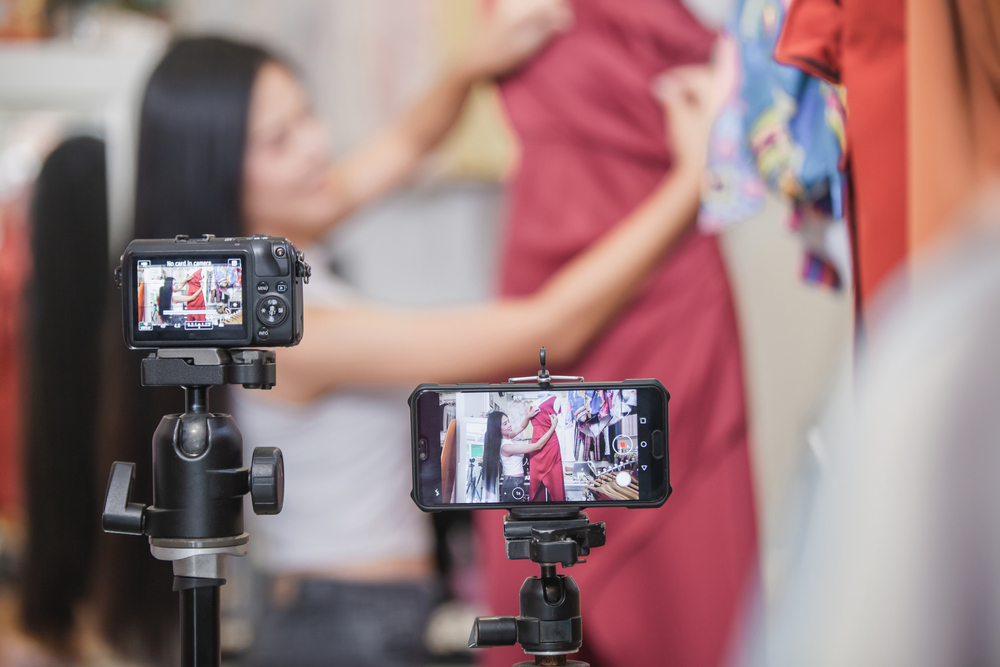
With experiential all the rage in retail, live stream shopping events and experiences are the next logical step. 

The live stream video shopping market was worth £3.35 billion in 2018. Add the Covid-19 pandemic and the trend has accelerated, Retail Gazette explains, with more retailers using live streaming to reach those stuck at home during lockdown and appeal to a wider audience.

The question now is whether these live streamed events will continue to grow in popularity or slowly be phased out. 

During lockdown, live streaming was a great way to keep customers engaged and offer an alternative to bricks-and-mortar stores. Today, with restrictions eased, retailers are looking at more hybrid models of working. If retailers are to stay ahead of the curve, innovative ways of engaging with audiences (such as live streaming) are sure to stay on the priority list – even with physical stores reopened. 

The key will be building on top of traditional channels – from online video appointments to live shopping and online catwalk shows.

According to Michael Levitz, chief business officer at Reaktor: “Live shopping is the next evolution of what it means to truly connect with a consumer.” 

Levitz explained that customers keep coming back – and not just for research or purchasing. These events are hyper-personalised, creating stronger bonds between the audience and brands, products and personalities. From Gucci Live which offers one-to-one shopping experiences, to Telfar.TV which gives viewers exclusive access to limited edition items obtained via QR codes, brands are incorporating live streaming into their offering. 

One of the reasons live streaming is proving to be so popular is because it brings a human touch to ecommerce. As Levitz adds: “It’s also a great way for retailers to tap into the influencer marketing sphere if they haven’t done so already. 

“It’s a huge trend worldwide and becoming a staple part of how to best connect with consumers.” 

So, for retailers looking to get involved, how do experiences translate into sales? The answer lies in the links. They do all the hard work – increasing awareness, promoting related items and encouraging purchases. 

Live streaming has huge potential largely because it offers so much to so many people. It’s entertaining – fitting into our virtual, gamified world. It’s educational – showcasing products and answering consumers’ questions. It creates a sense of community – giving a social aspect that might be lacking from other ecommerce channels. And it also creates a sense of urgency – the excitement created by a product launch, exclusive deal or real-time content is hard to match. 

At Delta, we help retailers and brands better connect with their customers. Find out how we can help you create a relationship-building digital strategy today: hello@thedeltagroup.com.

The pace of change in the retail industry has been gathering momentum over the last decade. Add a global pandemic to the mix and that change has accelerated further still. 

We’ve seen the overall percentage of ecommerce sales in the UK increase to over a third of all retail in November 2020 and January 2021. Website traffic has increased, yet still the appeal of bricks-and-mortar stores remains strong. 

According to eMarketer, even though physical retail will decrease this year, it will still account for 62.5% of the retail landscape. Meanwhile, a survey carried out by BigCommerce and PayPal revealed that more than 40% of shoppers would still rather buy items in a physical store than online. 

But what does this mean for the future of fashion retail? 

In essence, retailers need to be ready to adapt their strategies. They need a hybrid approach that shines a light on the omnichannel customer journey. In other words, they need to be where their customers are. This means creating a streamlined experience from the moment a consumer sees a product advertised through to purchase, delivery and returns. 

One thing is clear: the lines between online and offline retail experiences are blurred, creating new opportunities along the way.  

Here are three trends fashion retailers need to keep on their radars over the coming year. 

1. Fulfilment as a priority for physical stores 

In the UK, click and collect has been popular for some time. Up to 64% of retailers offer it as a service. The Covid-19 pandemic has made it even more popular. 

Findings of the Fashion United 2021 Consumer Spending Trends report revealed that numerous shoppers like click and collect because it allowed them to avoid shipping fees. Meanwhile, other research confirms that it is the immediacy of in-store shopping that keeps customers stepping through the doors. 

This focus on click and collect suggests retailers will be using it more creatively to encourage shoppers to visit physical stores. That could be encouraging website visitors to pre-order exclusive or limited-edition items, which can be collected at a certain time from a bricks-and-mortar store. Or, retailers could offer same-day delivery for customers living within a certain radius of a store. Not strictly click and collect, but one way retailers can take full ownership of the fulfilment process and end-to-end experience. 

2. The rise (and rise) of contactless 

More and more consumers are making their smartphones work harder, using them to make contactless payments both online and in-store. We are also seeing in-store digital shopping experiences making good headway. 

Of course, in some countries, this is by no means a new concept. In China, for example, customers have been using apps to scan QR codes to discover more about products long before the pandemic hit. But not all contactless needs to be that extreme. Even just removing the need to speak to a salesperson to find an item can create a more seamless shopping experience. 

Today’s consumers expect to be able to find the exact location of a product using their phone. They also want to know how many items are in stock, and whether there are any discounts or promotions attached to that item. 

3. Reality? As long as it’s augmented or virtual… 

Back in the 1990s, augmented reality (AR) and virtual reality (VR) were widely hailed as the next big thing. However, they never really gained the traction many believed they would. Today, finally, it seems their time has come. Not least, because this technology is being put to use helping shoppers make better, more informed decisions about the products they are buying – both in-store and online. 

AR is being used by retailers to help guide customers through a store to locate the items they need faster. It is also being used to virtually place products – for example, Ikea customers virtually placing pieces of furniture in their homes to see how they looked. Meanwhile, VR can be used to give online shoppers the chance to browse bricks-and-mortar stores as if they were there in person. 

Fashion, too, is embracing this technology. Retailers are using it to help customers see how certain items will look on their bodies – a step that both enhances the ecommerce experience, but also reduces the number of online sales returns. 

And it works both ways. AR and VR can be used to show in-store customers whether a particular hair colour or make-up product will suit them before they buy it. Are you ready to leverage these trends and move towards a more holistic omnichannel retail approach?

The team at Delta can help you create a seamless hybrid shopping experience across all touchpoints. Get in touch to find out more: hello@thedeltagroup.com. 
A transformation is taking place across the retail sector. And luxury is no exception.  

The move away from bricks-and-mortar stores towards digital platforms is continuing apace. Research reveals that the proportion of luxury online sales almost doubled to 23% (from 12%) between 2019 and 2020. That equates to five years of growth in just 12 months.  

Luxury brand purchases are on track to become dominated by digital by 2025. So, it comes as no surprise to hear that physical stores are turning their attention away from transactional and towards experiential.  

But there are other changes taking place in the luxury retail sector, too. For one, today’s customers expect a more personalised shopping experience. Plus, they want exceptional customer service across all touchpoints. Thanks to the Amazons and Netflixes of the world, the stakes are high. 

Customers want more choice, convenience and competitive pricing when they are on their purchasing journey. Meanwhile, high-spending customers expect all of those things as well as club lounge-style, one-to-one assistance. 

But that’s not all luxury retail is having to deal with right now. The sector is also facing the challenge of defining what the customer experience means to them and their customers in the digital age when customer expectations are rising so fast. 

Here are four ways the luxury retail sector is evolving right now.

1. Streamlining the in-store and online experience 

Luxury brand physical stores have a challenge on their hands. If high rents and business taxes weren’t enough to deal with, the pandemic has added to their woes. In 2020, the luxury market as a whole (both goods and experiences) shrank by 20%, dragging the sector back by six years. 

This year, it is anticipated the market will recover 50% of 2020’s profit loss – however, that won’t be enough to bring it back to pre-2019 levels. 

For too long, legacy luxury stores and online luxury shopping have simply existed alongside one another. It’s time for that to change; for the two to behave less like silos and more like an integrated system. 

Rather than being mutually exclusive, there needs to be a shift in the education and culture that exists within these organisations. If anything, the pandemic has helped shine a light on the urgency for these changes to take place and help luxury brands to move in the right direction.


2. Technology: A help and a hindrance
 

While technology presents a wealth of opportunity to luxury brands, it can also create a huge obstacle. Legacy systems, manual input of product data, and other out-of-date processes are the bane of many brands’ lives. They create a significant stumbling block in the quest to coordinate online and offline systems.  

Databases are siloed, while clunky ecommerce systems often sit separate to third-party ERP platforms or EPOS systems. For anyone keen to know the overall stock position of a company at any given time, they’ve got their work cut out. 

Historically, many IT issues can be traced to the boardroom. With limited understanding of digital technology around the C-suite, there has been equally limited investment in the necessary technology platforms. Fortunately, things are now moving in the right direction. 

3. More focus on supply chains and stock 

Let’s be clear: stock control can cause a real headache at the best of times. Items are continually moving from warehouse to store, store to store, and back from store to warehouse. Sometimes all in one day. Every movement creates a high carbon footprint, eats up valuable employee time, and narrows profit margins. 

But in the world of online shopping, stock control is key. No consumer wants to see ‘item out of stock’ pop up on a brand’s website. To avoid lost sales and allow consumers to check availability online or in-store via their mobile phones, brands need to focus on their supply chains and stock management tools. A single inventory view is absolutely essential. 

4. The value of customer insights 

In today’s digitally fuelled world of retail, virtually anything and everything can be tracked. The direction in which luxury brands are now headed has to be driven by the findings of this data translated into key actions. Consumer purchasing behaviours are changing all the time, and strategies will fall short without the right insights in place. 

The merging of online and offline channels in luxury retail is vital. Yet some brands are just starting to understand how their digital presence and online channels can compliment their bricks-and-mortar stores. At the heart of all this are customers’ wants and needs – that is, more personalised, interactive retail experiences. 

If you’d like to find out how your brand can reinvent its physical stores, maximise opportunity and focus on experiential retail, get in touch with Delta today: hello@thedeltagroup.com.

The Delta Group announces the appointment of Danni Murray to support their Film & Entertainment future growth strategy.

Film Ents & Games Experience

The Delta Group, Europe’s premier visual communications specialist delivering dynamic multi-channel marketing services to brands, retailers, and studios across the globe, announces the appointment of Danni Murray as Divisional Managing Director of their Film, Entertainment & Gaming Division.

Track Record

Danni joins from Warner Bros where he was VP – Media, Digital & Marketing Partnerships for the last 18 years. Danni will be responsible for maintaining and developing Delta’s long-standing sector expertise and delivering the growing demand for Delta’s multi-channel proposition in print, creative, digital, social, and experiential activations.

Reactions

Danni Murray said, “Delta’s reputation in the Film and Ents industry is second to none, and I have experienced first-hand their focus on customer service and innovation. I am delighted to be joining Delta at an exciting stage of their journey and look forward to working closely with our Film and Entertainment clients and partners to accelerate our growth and multi-channel proposition.”

Jason Hammond, CEO of the Delta Group, said, “We are delighted to announce the appointment of Danni Murray as MD of this vital side of our business. To appoint an individual of Danni’s calibre, reputation, and media / multi-channel experience is testament to Delta’s go-to-partner position in the Film and Ents market. We are looking forward to working with Danni to help us maintain our standards and navigate our next phase of growth and demand.”

At Delta, we help film & game clients, retailers and brands create a more interactive, engaging, and personalised customer experience. To find out how we can help your business attract customers to movies and online, say hello: hello@thedeltagroup.com.

In our ongoing quest to find the new normal post-pandemic, one thing is clear: physical retail has changed forever.

Numerous brands have already been forced to close their doors for good since the start of the pandemic. Others may still follow suit.

If retailers are to convince shoppers to leave the comfort of their sofas and step back into brick and mortar stores, they need those retail spaces to provide a totally unique experience. 

The ‘Covid effect’ is still very much front of mind for retailers and brands, but that’s not the whole picture. Consumers have been expecting more and more from physical stores for a number of years. All Covid has done is accelerate that pace of change.

Success now depends on a retailer’s ability to adapt. More specifically, whether they can create the kind of unique experience that will make consumers want to head back to the high street.

The in-store experience

Retailers need to enrich the consumer experience – and omnichannel has been big news for the past decade. Shoppers want ease and convenience. They want to be captivated. And they want to have a personalised experience that centres on human connection.

This means that the act of walking into a physical store needs to be an enriching experience in itself. There are plenty of ways retailers can achieve this. For example, interactive sales kiosks can inform, entertain and help customers compare products. Link them to a mobile app and they start to gamify the in-store experience, too.

And the list goes on. Simulators, connected mirrors and interactive entertainment take the in-store experience up a level, engaging shoppers and encouraging them to linger for longer.

A personalised environment

Retailers also need to seek ways to personalise the brick and mortar store experience. Customers are looking for a one-to-one relationship with a brand; one that is consistent and seamless across all channels.

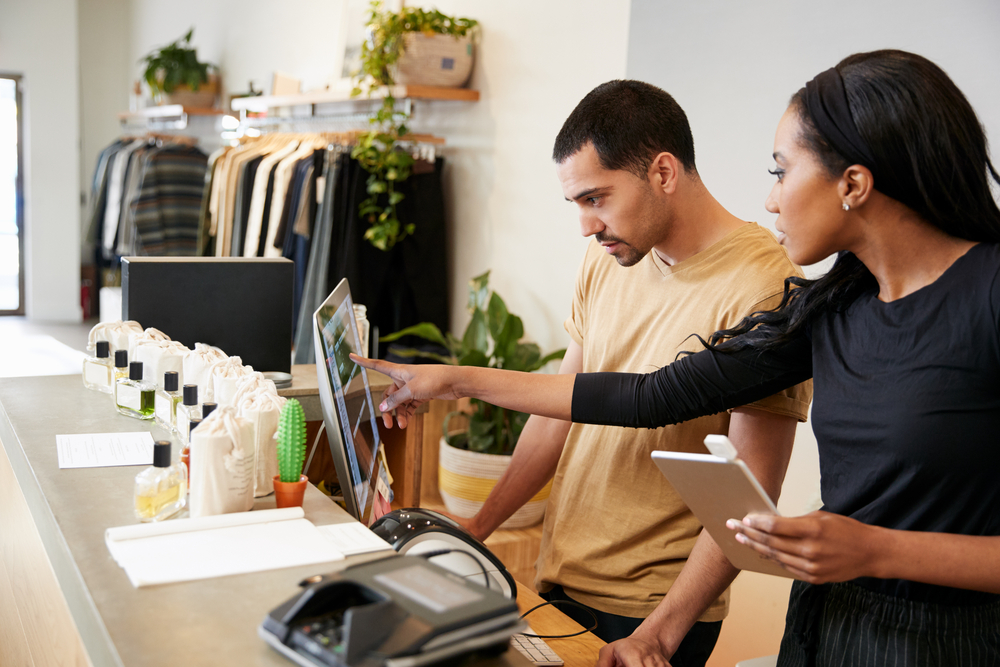
Major retailers have adopted something called ‘clienting’ to enhance customer relationships. For some, that has meant equipping staff with tablets so they can pull-up data on customers’ preferences and shopping behaviours and offer more personalised advice.

Personalising the in-store experience in this way adds real value and cannot be replicated in the virtual space. Staff are able to make real-time recommendations that boost sales value and customer satisfaction in equal measure.

However, clienting does not come cheap and significant investment is required, but the rewards are there for the taking.

The hands-on human connection

The post-pandemic retail recovery strategy may be fairly tech-centric, but that’s not to say it can replace the human element. If anything, the biggest USP of brick and mortar stores is the hands-on human experience a customer gets while they are there.

In-store staff need to be seen more as advisors or personal shoppers. And they should be able to access the kind of in-store technology that enhances their skill set and allows them to guide shoppers on their retail journey.

Retailers also need to consider the in-store experience from the customers’ perspective via surveys, research and first-person shopper experience.

At Delta, we help retailers and brands create a more interactive, engaging, and personalised customer experience. To find out how we can help your business attract shoppers through the door, get in touch with the team today. Say hello: hello@thedeltagroup.com.

Bricks and mortar stores will have a new role to play in the post-pandemic retail environment. According to research, retailers are planning to reimagine their physical stores as online fulfillment channels as part of their post-pandemic recovery strategy.

The Transforming the Physical Store for a New Shopping Landscape whitepaper, carried out for Sensormatic by IDC, reveals that retailers are increasingly prioritising their bricks and mortar stores. Almost eight in ten (76%) retailers said their physical spaces have become more crucial in customers’ buying journeys due to the pandemic. As a result, retailers are seeing stores more as experiential and fulfillments hubs than simply high street shops, reports 365Retail.

As part of their post-pandemic recovery plans, 71% of retailers have altered the layout of their stores in order to create a more joined up approach. This means click and collect, contactless, and self-service technology have all become more commonplace in stores both on the high street and in retail parks. Meanwhile, 49% are now using a section of their physical retail spaces for omnichannel fulfilment. 

According to the whitepaper, the predominant priority for retailers today is ‘ship from store’ –  something that also features among retailers’ top four priorities over the coming 24 months.

Speaking about the findings, Filippo Battaini, research manager at IDC Retail Insights, Europe, said:  “The pace of transformation in retail is accelerating as retailers respond to a new shopping landscape. The Covid-19 pandemic has fast-forwarded this process.”

He continued by explaining that retailers are starting to rethink their processes to enable “an effective response to fast-changing expectations from increasingly demanding, technology-savvy and time-crunched consumers”.  

As a result, Battaini continued, the role of bricks and mortar stores is no longer simply a sales channel. Instead, these spaces are being primed to play a much bigger role in retailers’ operations.

Increased demand for ecommerce during 2020 has meant retailers are not just looking at boosting their click and collect capabilities. They are also considering dark store retail formats. Previous research shows that 84% of consumers are keen to continue using dark stores post-pandemic.

The question now is whether retailers will be able to keep apace with consumer demands and expectations in this area. There is clearly still some way to go, with research revealing many click and collect customers experiencing either long delays or out-of-stock items.

Consumers are shopping less frequently in physical stores, but are making those trips with more purpose. Product availability and the speed and accuracy of fulfillment are crucially important.

At Delta, we help retailers and brands leverage insight from their customers and make the most of sales opportunities. To find out how we can help your business better engage with your customers, get in touch with the team today: hello@thedeltagroup.com.

The retail environment is evolving at breakneck speed. With more products available at the lowest prices, and customers holding an increasing amount of purchasing power, retailers have had no choice but to look for new and effective ways to set themselves apart and remain competitive in the market. 

There’s no doubt that the industry over-saturated. Retail sales have risen sharply since the start of the pandemic, meaning it is harder than ever for retailers to find and retain customers. But it’s this customer loyalty that can so easily make or break a company. 

Now more than ever, retailers need to do what they can to stand out from the crowd and build meaningful relationships with their target audience. And the way to do this, reports TotalRetail, is through a highly personalised customer experience (CX). For those retailers that get their personalisation strategies bang on, the rewards are that truly magic combination of more sales and happier customers.  

But personalisation these days doesn’t come easy. Restrictions on personal data and the use of third-party data have left many retailers scratching their heads about how they can benefit from dynamic personalisation in practice. 

To find answers to those questions, we need to take a step back and seek out the potential gaps in retailers’ knowledge surrounding personalisation and CX. Here are three ways retailers can create a more positive customer experience through personalisation. 

1. Making the most of social media 

Social media allows businesses of all shapes and sizes to connect with their audience at the click of a button (or two). But while the potential is huge, actually making the most of what is on offer is no easy task. The challenges come thick and fast. Collecting valuable customer data requires a lot of time, attention and the right tools. Putting that data to good use, while ensuring customers continue to trust the brand requires even more time and energy still. 

QR codes and unique landing pages are just two of the ways companies can capture first-party data from social media audiences and use personalisation to create hard-to-resist retargeting opportunities. Brands and retailers need to remember to offer clear ‘value exchanges’ as part of this process. In other words, they offer special offers, discounts on certain items, or limited-time deals in exchange for their customers’ valuable data. 

The typical social media user may follow numerous brands on different platforms. However, they will usually only engage with a handful. The reason for that is the lack of truly customised content. To stand out from the crowd, brands can start targeting their subscribers with tailored, personalised campaigns and messages. With the right content in place, real engagement can become a reality. 

2. Empowered retailers = empowered customers 

However you’re capturing customer data, what you do with that information next is what really matters. This will determine whether you gain value from the data – gleaning insights from it to empower your brand. 

Personalisation isn’t just about pushing messages or products based on what a customer has previously bought. Instead, it is about communicating with individuals on a one-on-one level, demonstrating the respect your brand has for its customers and showing you understand their reasoning behind a purchase. 

Retailers need to understand the customer journey in order to maximise sales opportunities and enhance customer experiences. Understanding customers’ online behaviour is a good place to start. By tracking discarded baskets and mapping which channels your customers came from you can better tailor your offering and empower your customers. This can help build loyalty and make the purchasing journey more enjoyable. 

3. Joining up the digital and in-store experience 

Retailers now need to work hard to make online and in-store customer experiences as seamless as possible. In-store shopping offers customers the chance to handle products, pay on the spot and take items away with them. Online shopping offers ease, speed and convenience. Both have their advantages, but it is only by encompassing online to in-store and in-store to online that retailers can streamline the processes and boost the likelihood of a sale. Bridging this gap and building customer confidence involves strategies such as retargeting, in-store digitisation and loyalty programs that are activated both in-store and online. 

At Delta, we help retailers and brands leverage effective personalisation strategies to create a positive customer experience and drive sales. Find out how we can help you stand out from the crowd. Get in touch today: hello@thedeltagroup.com.

In recent years, retailers are giving more control to their in-store shoppers. Interactive digital screens and self-service options make sense from a retail perspective, but what do customers think about this digitisation of physical stores? 

According to research, it seems consumers actually prefer this do-it-yourself approach to in-store shopping, reports Digital Signage Today.  

A key finding of the Reflect survey – focusing on consumer shopping preferences, the influence of in-store signage, and time spent in physical stores – revealed that 46% prefer the DIY shopping experience they get with self-service kiosks and digital screens. 

Over eight in ten (83%) of those questioned believe that informative digital screens can save them time during in-store shopping excursions. Meanwhile, 75% said they would be more likely to shop in bricks-and-mortar stores if those retail spaces had interactive screens with product information, location, product comparisons, and reviews. 

The report acknowledged that the pandemic has pushed retail technology innovation to new levels, suggesting that digital transformation had been fast-tracked by as much as five years in some industries. 

With people becoming more comfortable about working online, this sentiment is spilling over into their buying habits. There has been a marked rise in the number of people using ecommerce channels to make purchases. The report also flagged that 60% of people prefer to buy products via websites – a figure that has remained fairly static over the past few years. 

All of this is good news for ecommerce, but the report doesn’t spell all doom and gloom for physical retail stores…

Getting customers back into physical stores might be easier than we think 

According to the report: “Almost all consumers say the right technologies could lure them back to the physical location.”  

While there are plenty of benefits to shopping online – convenience, quick price comparison, user reviews, and not having to deal with sales associates – that doesn’t mean customers won’t return to physical stores if the right in-store technology was available to them.  

The survey showed that if retailers take the time and effort required to adapt the things customers enjoy about online shopping and deliver them in physical stores, online customers will happily step back through the doors once again. 

A lot of that comes down to the tactile nature of in-store shopping. As the report states: “There’s something about being able to touch a product – to hold it, to see its size, to feel its weight, to inspect its quality – that consumers crave.” 

According to the report’s findings, 67% of shoppers miss the parts of the in-store experience that are impossible to recreate online.  

Today’s customers are looking for more elements of the digital shopping experience to be featured in store. In particular, they want quick information, price and product comparison data, and customer reviews. And contrary to being hesitant about self-service technology, they positively embrace it. 

Of the survey respondents who do the majority of their shopping online, almost half said that “informative, interactive displays would be the most enticing feature for them to shop in person.”

Digital signage is no longer a nice-to-have – it’s an absolute must-have 

The findings of the report confirm what many have known for some time. If retailers want to grab customers’ attention and get them back through the door, digital signage has to be a top priority. 

As the report states: “Among young shoppers, those 18 to 44 and most likely to shop online, digital screens were noticed exactly as often as print signage.” 

Not only does digital signage offer opportunities for retailers to reconnect with existing customers in-store, it also presents exciting opportunities to capture new shoppers, too. 

Of the respondents who said digital signage was the most noticeable in-store feature:

  • 87% would shop more in person if stores had interactive screens that provide product information, comparisons and reviews 
  • 90% preferred stores that don’t require them to interact with store employees  
  • 50% would be more likely to shop in store if retailers offered self-service options 
  • More than 90% feel that digital screens would save time during their shopping visits 

Millennials want a more digitised in-store experience 

Unsurprisingly, it is millennials who are the biggest drivers of change in in-store shopping. But they don’t just want any change, they want change driven by the right technology. 

This goes against the widely held view that says physical retail spaces are losing younger generations. Younger customers are still willing to shop in bricks-and-mortar stores – as long as those stores meet their expectations. 

The report found that 80% of millennials would rather shop at stores that offer self-service. Meanwhile, 80% of shoppers aged 30 and under would prefer to shop in person if a store provided product information, comparisons and/or reviews on digital screens. This figure is starkly different to the 14% of under 30s who said customer service was a reason to shop in-store. Instead, they’re looking for technology the moment they step through the door. 

However, the report warns that even though most purchasing still takes place in-store, retailers cannot afford to become complacent. It explains that online shopping will continue to grow and retailers will be forced to adapt. 

If you’re looking for ways to make your physical retail space more appealing to customers, Delta can help. Delta Signage can transform the in-store experience and differentiate your brand. Get in touch to find out more: hello@thedeltagroup.com.