Archive for 2021

Home / 2021

We all recognise that the Covid-19 crisis has had a huge impact on the events industry. With so many events having been cancelled or postponed since March 2020, the industry is now working hard to understand how large-scale gatherings and events could work going forward. This has meant prioritising key areas of their business and defining strategies for reinvention.

So, what does the future look like for the events industry?

According to the Exhibition Industry Survey, carried out earlier this year and cited by Exhibition News, the current key focuses are on delivering postponed events (54%), developing new sources of revenue (45%), and understanding how customer needs have changed (53%). In addition, 19% of those questioned felt delivering events virtually was a priority over the next 12 months.

Here are three ways the industry is hoping to reinvent the future of events.

1. Hybrid events

According to the research, 46% of event organisers are planning to deliver hybrid events in the year ahead. The size of the company is a determining factor as to whether hybrid events are a priority – 69% for larger companies, 28% for smaller companies. It is likely this is a reflection on how much resource individual companies have available to develop these kinds of events.

2. New sources of revenue

In terms of how events professionals plan to develop new revenue streams, two strategies were found to be the most common. Well over half (56%) of those questioned said they would look to launch a new product, while 52% said they planned to boost revenue by establishing partnerships.

3. Virtual events

All businesses have made digital a key priority in 2021. The research reveals that 51% of organisers had run virtual events in the past 12 months. Within this group, the main types of event have been: webinars (82%), conferences (68%) and virtual trade shows (55%). Webinars also proved to be the most frequently-held virtual event, with organisers having held an average of 11 over the course of the year. In addition, 35% of organisers said they were either considering or in the process of developing virtual events.

At The Delta Group, we are helping businesses reinvent the event space and giving them everything they need to put on a great show. To find out more, get in touch today: hello@thedeltagroup.com

The coronavirus crisis has shifted so many of our expectations of what we want in life – including what we want from our grocery shopping.

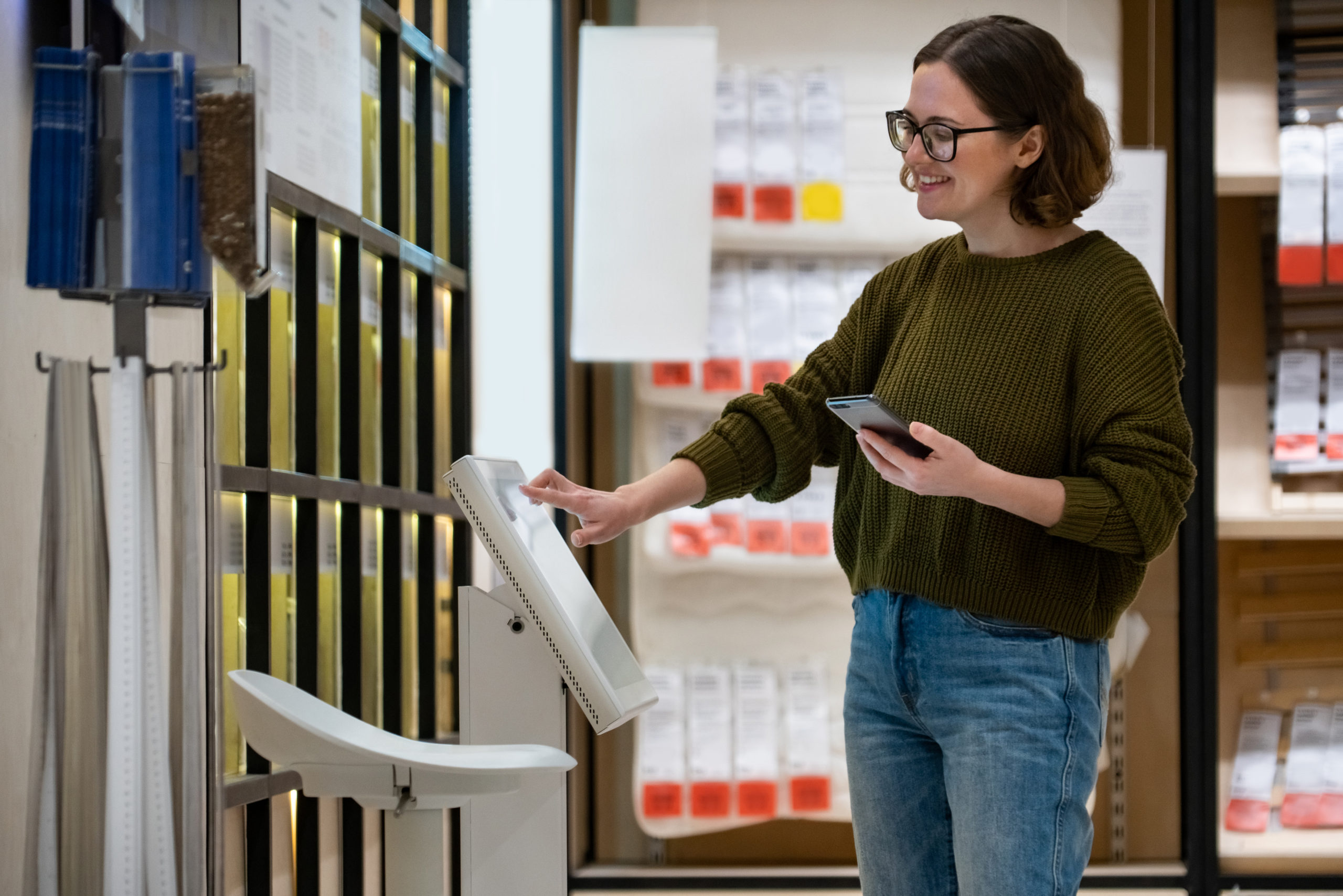
During the pandemic, omnichannel prevailed and click and collect and delivery services grew in popularity. Now, as we start to move out of lockdown and restrictions begin to ease, digital ID systems will be the next stage of grocery shopping innovation.

As The Grocer explains, barcodes are currently flying the flag for digital ID in grocery stores – though they aren’t the most advanced technology out there and can only provide limited information. Still, retailers need to track all kinds of data such as expiry dates, provenance, and product journeys.

One piece of tech vying to replace the humble grocery barcode is radio-frequency identification (RFID). Trials of RFID have been run by Tesco in 2003 and Asda in 2006.

Back then the technology wasn’t ready, but things are different today. The rise in cloud computing, the use of smartphones to shop and consumers being more tech-savvy all point to successful RFID implementation.

RFID works in tandem with other technologies, allowing complete end-to-end supply chain visibility. But while the potential is clear, there are still challenges to overcome. Companies may need to upgrade their infrastructure and the global nature of food supply chains could also hamper progress.

On the flipside, a key benefit of RFID is multiple item scanning (even when products are assorted in boxes). This means entire baskets, trolleys or stock rooms can be scanned in one go, saving time and labour costs.

Digital ID can also help identify food based on allergens and dietary requirements – e.g. vegan or gluten-free items.

Another valuable benefit is that of sustainability. By linking expiry dates to individual products, food waste is reduced. Plus, if a product needs to be recalled, the technology can identify a batch of items rather than the entire stock.

Digital ID reduces waste, avoids over-production, and decreases plastic consumption by tracking reusable containers. And that’s on top of helping retailers upgrade their offering and driving supply chain efficiencies. 

If you’re looking to make the most of advanced technology in order to improve your offering and boost your customer experience, we can help. Get in touch with the Delta Group team today: hello@thedeltagroup.com

Pre-pandemic, experiential marketing was enjoying something of a boom. Brand experiences and events had been growing in size and scale for around a decade, with marketing professionals cranking up their experiential budgets as a way to engage audiences looking for in-person interactions. In 2019, more than £59 billion was spent on experiential marketing across the globe to bring brands to life.

And then March 2020 arrived, and we all know what happened then…

Covid-19 caused experiential marketing to come to a dramatic, grinding halt. Large-scale sporting events, festivals and gigs were cancelled or postponed, while high streets were left deserted, causing the sector drop 15% overnight

The impact of the pandemic lasted far longer than many had imagined. By the end of 2020 and into the start of 2021, the sector has been struggling to get back on its feet.

However, over a year later, as lockdowns and restrictions are starting to lift, experiential remains a key investment for many marketers.

Perhaps it has something to do with the idea that we’re about to enter a second ‘Roaring 20s’ in which people party hard in an effort to make up for lost time. Maybe it’s down to brands recognising how important it is to bring people together to share meaningful experiences.

Or, it could simply be the sheer grit and determination of an industry faced with the challenge of transitioning from in-person events to virtual events back to in-person and hybrid events again.

Whatever the reason behind this renewed confidence, there is an unmistakable pent-up demand for live experiences. So much so, that many in the industry believe it’s going to be a year like no other.

Of course, before brands can really ramp up their experiential marketing activity, we need the green light on whether all restrictions will be lifted come 21 June. Mixed messages from the government have created uncertainty. They’re leading on “data, not dates” at the same time as promising all legal limits on social contact will be removed.

Dates aside, experiential marketing is a huge part of how brands stay relevant, consistent and authentic. As marketers roll up their sleeves and start planning experiential campaigns, here are three things we can expect from the experiential marketing space in 2021.

1. Brand experiences in strange places

Brand activations that take place in Trafalgar Square, for example, might feel a bit clichéd this year. Instead, brands will be looking for more dynamic, edgier locations to host brand experiences. They will want to create truly memorable experiences for highly targeted audiences. Think of events and activations taking place on farms, warehouses, or under motorway flyovers. Because the more unique and authentic the location, the more unforgettable the experience will be.

2. Hybrid events will stick around

When brands were forced to take their events online as a result of Covid-19, many chose to make those events free. This allowed organisations to reach much larger, wider and more diverse audiences than ever before. Looking to the future, brands will now be looking for ways this increased exposure can continue. As in-person events become possible once more, brands will need to combine virtual and physical to create hybrid events. Virtual attendees have grown accustomed to being part of the conversation. That shouldn’t stop when the pandemic stops.

3. Safety and wellbeing will become bigger priorities

For the foreseeable future, events and activations will need to focus on health and safety. Hand sanitisers, masks and Covid testing are likely to be part of interactive brand experiences going forward. But while safety is important, it shouldn’t detract from the event itself. Equally, wellbeing will also come to the fore in experiential. With reports of depression and anxiety rising sharply during the pandemic, brands are going to have to be well-positioned to resonate with consumers. By promoting wellbeing in a kind, thoughtful and authentic way, they can offer real value to attendees.

Experiential marketers are masters of human connection and are determined to transform, recreate and adapt to whatever 2021 throws at them. Yes, there may be a need for plans C, D, and E (rather than just a trusty plan B), but that can only make for bigger, better, stronger brand experiences and in-person events.

Our in-house experiential team create events that engage customers and brings brands to life. If you’re looking at how to create a stand-out event and deliver memorable experiences, get in touch with the team at Delta Group today: hello@thedeltagroup.com

The coronavirus pandemic accelerated key trends in many sectors. But one trend to be confirmed after staying inside our homes for so many months is that humans are largely social creatures.

As restrictions start to ease, many of us are chomping at the bit to get back out into the big wide world again. We want to see family, friends and colleagues once more and rediscover those in-person connections that have been missing from our lives for so long.

And it’s this pent up demand for human, face-to-face contact that will be behind the next generation of the experience economy, reports Commercial Observer.

This appetite for a more creative, interactive retail experience is not going to vanish in the post-Covid age. With the current decade being dubbed by some as the “new Roaring ‘20s”, it seems consumers and investors alike are looking for some serious action. 

This creates an amazing opportunity for the retail, hospitality and leisure sectors. In fact, any business that offers out-of-home entertainment is going to have their work cut out.

Now’s the time for these companies to focus wholly on building a strong brand, quality experiences and deeper, more meaningful connections with their audience. They can do this by rethinking how they engage with customers, merging their digital and physical offerings and taking consumer experience to the next level.

Customer loyalty is there for the taking. But it will only be businesses that are bold, have strong brand identities, and offer customers something different that will be able to lure consumers away from digital spaces. But with many customers so keen to be out in the world again, experiencing new things, the potential for success is high.

There is a fine balance between the in-store experience and virtual engagement. But this isn’t a case of one versus the other. What customers actually want is a diverse range of offerings and the ability to lead the way in how, where and when they interact with brands.

Is your business looking for ways to create new experiences, leverage technology and connect with customers? The Delta Group can help. Get in touch today: hello@thedeltagroup.com.

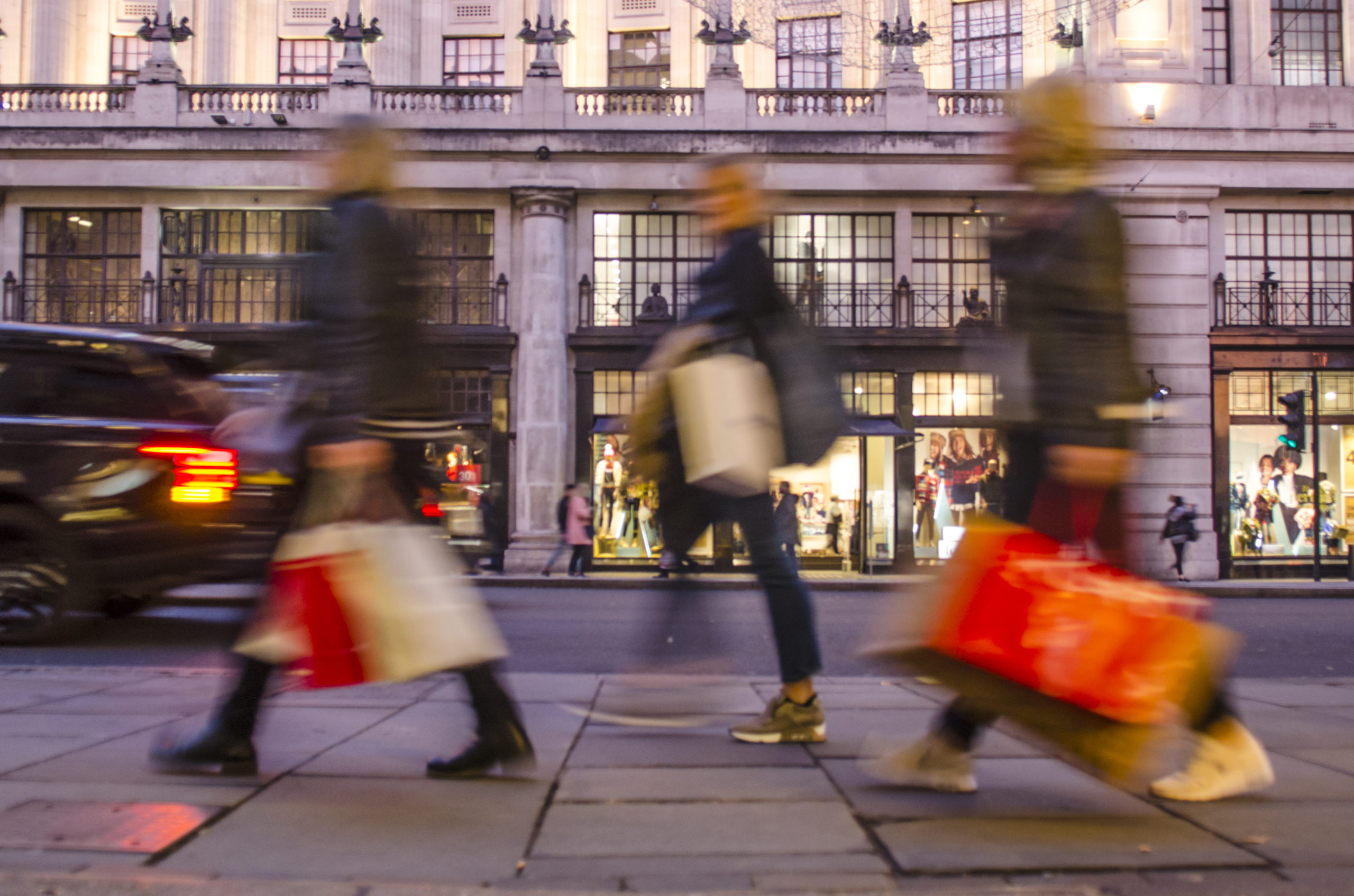
When non-essential retailers in England opened their doors again last month, it signalled the start of the easing of restrictions and our route out of lockdown. 

The retail sector breathed a collective (yet cautious) sigh of relief.

But it wasn’t only retailers who were relieved. Consumers too were seemingly eager to get back into physical stores and start spending. According to figures from CBI, retail sales figures in April were categorised as ‘good’ – not just for the first time this year, but also to the greatest extent since June 2018.

Which is positive news, but there remains an air of caution about what we should expect. A post on Retail Gazette offers a selection of predictions for the sector in the coming months. Here are the key takeaways…

1. Uncertainty will linger

Sales seem positive, but retailers face many challenges. With the in-store experience now involving masks, one-way systems and other restrictions, some consumers could feel anxious about returning to physical shops. After the initial rush, retailers may need to be prepared for a drop in consumer confidence.

2. Online demand will continue

Virtually every forecast suggests that online retail will continue to thrive. The convenience and speed of the online shopping experience are hard to beat and buying habits have changed – possibly forever.

3. Optimism is high…

Consumer confidence has risen sharply, indicating people are ready to get back into bricks and mortar stores. But retail may never be the same again. A combination of online and offline channels can create a more streamlined experience and retailers will be looking to recreate the speed and convenience of online shopping in store.

4.  …but so too is competition

Retail had already become a highly competitive environment in recent years and for some, the pandemic served as the final nail in the coffin. Their error? Not investing in digital and omnichannel strategies as much as they could have.

5. Prepare for the mega experiential stores

With many smaller retail outlets not reopening post-pandemic, we can expect fewer, but much larger stores on our high streets in the future. Successful brands will embrace the experiential offering and make consumers’ visits memorable within these mega stores.

Looking for ways to ensure your brand has a lasting impression on your customers in the post-Covid era? Get in touch with the team at Delta today: hello@thedeltagroup.com.

Major global events – like the coronavirus pandemic – have the power to completely transform how we live and work, and the world around us. As a result, these events also have the ability to change our attitudes to the way we spend – especially the generation that comes of age during that period.

Looking at the coronavirus pandemic, it’s Generation Z (those born since 1997) that will be most impacted. In the same way that Millennials (those born between 1981 and 1996) were impacted by the recession of 2008.

The pandemic and the recession are similar in that they are two major events. However, how they manifested themselves couldn’t be more different, observes an article on Forbes.

In 2008, the recession didn’t hit overnight. Instead, it took more than a year for house prices and stock portfolios to steadily decrease in value. Millennials were left high and dry in terms of career dreams and we all had to think about our lifestyle choices and learn to live with less.

By comparison, the coronavirus pandemic hit us hard and fast. Lockdowns were enforced virtually overnight as workplaces closed their doors, planes stopped taking to the skies, and roads became free of congestion. Many of us had to quickly adapt to working and learning from home, again doing less, spending less, and wasting less.

The coronavirus pandemic is proving to be one of the most disruptive financial events or our times. But while it has created a financial catastrophe for many, it also placed our focus on the environment  – more specifically, our impact on it. We realised how much our actions impacted the world around us, from air pollution to animals being spotted in unexpected places.

The pandemic wasn’t what started the sustainability revolution, but it has certainly placed the issue front of mind and made Gen Z avid advocates.

As we emerge out of lockdowns and restrictions are lifted, the economy is starting to recover. But as it does, Gen Z consumer focus is as much on saving the planet as it is on value for money.

According to a study by First Sight, the majority of Gen Zers would rather buy from sustainable brands. What’s more, they are prepared to pay 10% more for sustainable products. According to the report’s findings, Gen Z and Millennials are the most likely to base purchasing decisions on values and principles – namely personal, social and environmental.

This shift towards sustainability can also be seen in brand activity. For example, sports brands Allbirds and Adidas joined forces to create the world’s most sustainable sports shoe. Meanwhile, Walmart and online second-hand store ThredUp have collaborated to sell pre-owned fashion items from luxury brands such as Anne Klein and Tommy Hilfiger.

Where there’s consumer demand for sustainability, there are brands who are keen to follow. But consumers also want authenticity and transparency from those brands. As the findings of one survey concluded: ‘If [brands] are not authentic, Gen Z will be the first to raise a red flag.’

Almost every brand claims to be embracing sustainability, but if they aren’t being truthful in those claims, they risk alienating customers and losing them for good.

How authentic is your approach to sustainability? Find out how Delta can help your marketing activations be genuinely green. Get in touch today – hello@thedeltagroup.com

Marketing to some generations is harder than marketing to others. Gen Z is one such generation. They are powerful consumers – and a demographic group that marketers are keen to go after.

Contrary to the notion of Gen Zers struggling to earn a living, they are currently at a period of their lives in which they’re enjoying a high disposable income, reports The Drum. Thanks to a combination of student loans, part-time jobs and financial support from their families, this is a generation just waiting for brands to engage with them in their digital spaces.

But as well as being capable digital natives, they are also extremely smart consumers who can sniff out inauthenticity or dishonesty a mile off. If brands don’t know who they’re dealing with, they risk driving Gen Z away.

So how do you market to a savvy but value-conscious audience? Research shows that 76% of students think bargains are important or very important when making buying decisions. As brands work to make up for the drop in spending over the last 12 months, they would do well to focus more attention on this cash-rich, financially-savvy group.

Gen Z has big spending plans over the coming year. Just under a third (32%) plan to spend more on fashion, 29% on beauty, and 29% on tech. They aren’t just keen to get shopping, they’re almost frantic to start splashing the cash.

The challenge for brands is that Gen Z is notoriously less brand loyal than other generations. If brands want them on board, they’re going to have to work for it.

Here are three key challenges brands can expect to face engaging with Gen Z:

Reaching the target audience: Freshers week has long been seen as a perfect opportunity to target students. But with student learning split between on-campus and remote learning, brands need to look for ways of reaching students all year round.

Building brand affinity: Brands aren’t just dealing with a group of consumers in Gen Z. They are dealing with digitally savvy, content-creating, app-hungry individuals. Social media provided a refuge for many of this generation during lockdown – brands now need to collaborate with them, treating them as co-creators.

Staying relevant: As third-party cookies are phased out, advertising will move onto platforms. But how will that impact the digital experience? And can brands stay relevant, pushing out the right messages? Too many ads on Instagram is not going to win anyone over. The secret will lie in a brand’s ability to invest in the most appropriate platforms, with the most relevant content.

Gen Z expects to be treated as brand partners and co-collaborators. They are a generation driven by change and brands are going to have to change with them.

If you’re looking for ways to connect with Gen Z, get in touch with the team at Delta: hello@thedeltagroup.com

As today’s consumers increasingly adopt a research online, purchase offline approach to their buying journey, they are looking for retailers that can deliver a strong, values-driven product experience. They are also willing to pay a premium when they find those better experiences.

According to a global survey by product experience management provider Akeneo, cited by Retail Customer Experience, more than half of shoppers would be willing to pay more for products with clear information about brand values. What’s more, 10% would pay up to 50% more for products from companies that shared their values, while 82% would pay up to 30% more.

Consumers are clear about which brand values are most important to them. They are looking for values that align with their own, including:

·        Certificates and quality labels (62%)

·        Brand and product history (50%)

·        Respect for the environment and sustainability (49%)

·        Product origin (46%)

·        Fairtrade and responsible sourcing (39%)

·        Social commitment (27%)

The survey, which questioned 3,500 consumers from seven countries about business-to-consumer product experiences, also found that 72% would buy another product if they felt that product information wasn’t up to scratch. Meanwhile, 74% would abandon a planned purchase, and more than half would return an item if the product information was flawed.

Writing about the survey’s findings, Akeneo’s CEO Fred de Gombert explained: “Consumers encounter product information every time they make a purchase, and they’re increasingly proactive about seeking out clear, accurate, and consistent product experiences.”

He continued: “This survey shows that all over the world, consumers expect brands to deliver strong, product-driven experiences – and that as consumers grow more discerning about product information, they’re increasingly willing to pay a significant premium to reward brands that get this right.”

At Delta Group, we work with brands and retailers to deliver strong product experiences and  connect with consumers. Get in touch with the team to find out how our marketing services can help your business deliver impact and boost sales.

The Covid-19 crisis has taken its toll on our high streets. With consumers moving towards digital, retailers have a huge challenge in drawing people away from online offerings and back into physical stores.

Now that non-essential retailers are back in business, retailers are approaching this challenge in different ways. From increased cleaning and compulsory mask-wearing (Primark and Next), to cashless-only payment (IKEA), the race is on to persuade consumers – especially the older generation  – that the high street is a safe environment.

But as Marketing Week explains, retailers are using more than just robust health and safety plans to tempt consumers through the door. Both John Lewis and M&S are offering customers increased loyalty rewards and benefits, while Selfridges is going all-out on window displays and in-store experiences.

However, some retailers are taking a completely different approach. According to Next’s CEO, Lord Simon Wolfson, the company will not be using any of its marketing budget to get customers back into its physical stores. Why? Because the company had not been able to identify marketing activity where the return justifies the investment. Instead, the retailer plans to further grow its online business.

According to retail commentator Richard Hyman, “the main driver [of footfall] is the opening of stores.”

As Hyman explains: “Build it and they will come is not a very reliable basis on which to build a business generally speaking, but on this occasion, having been starved of non-essential shopping, I think we’ll see a significant amount of people going shopping. I think there’s a lot of pent up demand.”

There are a number of factors that point to Hyman’s theory being correct. Longer opening hours, growing confidence among older shoppers, and more money having been saved than usual over the past 12 months are all good news for in-store spending.

Many of the high street’s biggest brands have the pulling power required to get customers back through the doors. However, smaller names may have to be more creative in their promotional activity.

Of course, getting people in store over the coming weeks is just the first step. The real challenge will be getting them to stay. As we move forward, the most successful retailers will be those who understand the nature and motivations of their customers and remove any barriers that prevent them from shopping with them.

At Delta Group, we help retailers “sell” themselves to their customers and set themselves apart from the competition. To find out how we can help your business grow post pandemic, get in touch with the team today.

When Covid-19 took hold in 2020, the fashion industry – along with many others – braced itself for what could only be a rocky ride.

Predictions were gloomy. McKinsey, for example, estimated a drop of 93% in annual fashion industry profits in 2020. However, against the odds, the industry ended strong, finishing the year worth more than £1 trillion globally.

Since then we’ve seen the rapid rollout of the UK’s vaccination programme and a significant drop in coronavirus cases, and it feels like the industry – and its customers – are ready to press restart.

Online fashion retail sales soared in March as consumers prepared for the reopening of outdoor trading in pubs and restaurants on 12 April. While in physical stores, retailers have been pulling out all the stops to welcome shoppers back with open arms. 

The competitive world of online fashion retail

The industry may have received a welcome boost from customers investing in post-lockdown outfits, but as The Drum points out, competition online is incredibly fierce. Regardless of whether you are a household name, a challenger or a fresh-faced start-up, generating consistent sales is no mean feat.

With hundreds of websites all vying for consumer attention, fashion retailers face a constant battle of how to maximise their existing customer base and get their brand in front of potential new customers.

Retailers need to let people know they exist, encourage visitors to buy (as well as browse), boost basket values, and convince customers to come back and make purchases in the future. Add the extra strain of the past 12 months, and it’s no wonder they are feeling the pressure.

No quick fixes after a year of uncertainty

Alas, there is no one-solution-fits-all to these challenges. There may be a few short-cuts along the way, but these are unlikely to deliver long-lasting results.

Many fashion brands and retailers have shown true grit over the last year, approaching marketing activities with a sense of determination and resolve. By focusing on certain areas of their marketing strategy, they have been able to create a sustained return.

With solid foundations, a will to survive, and a readiness to innovate, many retailers have been able to overcome uncertainty, claw back a tangible ROI, and set themselves up for success in 2021.

10 tips for successful fashion retail

Success may feel out of reach, but with the right combination of marketing skills, knowledge and experience, retailers can position themselves ahead of the competition.

Here are ten tips on how you can follow suit and weather the changes from the pandemic.

1. Understanding your customers inside out means asking a lot of questions. Here’s a few to get you started: What do they need? What are their interests? What trends do they follow? Where can you find them online? What are their social media habits? How do they shop online?

2. Cross-channel consistency will help your brand stand out from the rest. By using the same messaging, branding, offers and promotions across all your marketing, you’ll stay front of mind and relevant for longer.

3. Streamlining the customer journey is another must-have. It’s glaringly obvious, but the easier it is to buy something, the more likely someone will make a purchase. Make sure personalisation features heavily and that your site works (and loads quickly) on all devices. Plus, think about what payment types are best suited to your audience.

4. Look after your profit margins. Discounts, special offers and deals are all great ways to boost sales. But they are only effective if they boost profit margins too.

5. Getting your products in front of your customers can be tricky. Using the reach of influencers can be a good way of achieving this – as long as it’s done strategically and transparently.

6. Don’t take your eyes off the competition – not even for a moment. There’s a huge amount to be learned from their activity. Find out their strengths and weaknesses so you can learn from their mistakes and be inspired by their successes.

7. Use persuasion, emotion and trust tactics to create a sense of urgency. In other words, make FOMO your friend.

8. Why just sell when you can upsell, cross-sell, BOGOF, and bundle? Just make sure your tactics to boost basket value don’t eat away at your profits.

9. Understand that some people are not going to make a purchase the first time they visit your site. Plan for the inevitable by retargeting, remarketing and reminding people what they were looking at.

10. Think beyond the sale and focus on the lifetime value of repeat customers. A simple buying process will get them to the checkout the first time, a smooth repurchase process will have them coming back for more.

At Delta Group, we work with businesses like yours, delivering multi-channel marketing strategies. Get in touch to find out how we can help you connect with your customers, empower your strategic goals, and set yourself up for success this year and beyond.