Archive for August, 2021

Home / 2021 / August

The Covid-19 pandemic forced many consumers to find new ways to shop. This led to a surge in new retail trends and retailers keen to find innovative ways to boost consumer loyalty.

According to an article on Retail Insight Network, here are three trends retailers should be aware of in 2021 (plus one we think should be on brand and retailers’ radars, too):

1. Personalisation

Today’s consumer expects – no, demands – personalisation. A survey by marketing company Epsilon suggests that 80% of consumers expect personalisation from retailers.

Personalisation allows retailers to cut through the noise to give customers what they want – essentially, more choice and more recommendations. It also encourages customers to be more emotionally invested, engaged and loyal.

From digital touchscreen displays giving customers the information they need in-store (more about that below), to customised delivery and tracking information – retailers need to make sure they share information that is accurate, relevant and of value to the customer.

2. Automation

One of the challenges for retailers caused by the pandemic was fewer staff on the ground. That has meant that chatbots, digital shopping assistants and self-serve technology are all playing a more important role in the consumer journey.

Not only does this technology empower customers and reduce the reliance on customer service teams, it also allows retailers to cut costs while building a better digital connection with their customers.

AI technology also means retailers can be precisely where their customers are, serving them 24/7 and allowing them greater autonomy.

3. Multi-channel servicing

Offering customers an item cheaper and faster is no longer enough to keep them loyal.

Today’s consumer wants a fully connected experience, shifting effortlessly between mobile device, app, desktop and back again. Retailers need to build these immersive online experiences cross-platform and multi-channel, at the same time as giving customers timely, relevant updates.

4. Touchless digital signage

Touchless in-store displays improve the customer experience and give retailers greater insight into consumer purchasing preferences. By moving away from traditional interactive digital signage and towards touchless technology (where customers interact via their mobile device), cross contamination concerns are dealt with and in-store shopping becomes more personalised.

Delta Group helps retailers meet shoppers’ expectations, gain crucial consumer insights and boost sales. We also help create content for in-store digital screens. To find out more, get in touch with the team today: hello@thedeltagroup.com.

Cast your mind back a year or so – before the world was turned upside down by a global pandemic, and before so many bricks-and-mortar stores had to close for months on end.

Back then, experiential retail was a seriously hot topic in the industry. So, with online sales having surged over the past 15 months, where has that left experiential retail? And is it still relevant in a post-Covid world?

In short: yes. 

With the expectation that physical stores are set to make an impressive comeback, the truth is that in-store retail remains (and will remain for some time) the dominant channel. It’s a huge part of the customer journey and there is pent-up demand from consumers.

That pent-up demand, combined with the UK’s successful vaccination rollout, suggests that customers are keen to head back to the high street. But more to the point, they will expect new, exciting shopping experiences when they do.

But even though non-essential shops are open for business again in the UK, certain restrictions and health and safety measures remain in place. And this could cause a number of challenges for the return of experiential retail.

Here’s what we can expect from experiential retail over the coming months – how it can reinvent the physical retail space and, more importantly, how retailers can maximise its potential.

1. Recognising a desire for the human touch

Online retail is all very well, but it’s hardly the friendliest of retail activities. We all crave more face-to-face contact with people – and that includes the people we interact with when we do something as ‘normal’ as buying a new outfit.

With this in mind, brands that offer customers human interactions will have the upper hand over their ecommerce-only competitors.

This desire for human interaction was confirmed in 2020 when 75% of shoppers continued travelling to physical stores, with the vast majority making in-store purchases whilst there. In-store shopping remains the retail channel of choice for many shoppers, and retailers need to meet customer expectations. Retail associates will play a key role here, acting as brand advocates and going above and beyond in terms of customer service.

2. Creating personalised customer experiences

The rapid rise of ecommerce over the past 15 months might lead some to believe that the physical store is no longer essential. But offering a more personalised experience for customers will prove otherwise. The key to successful personalisation (e.g. relevant offers and innovative in-store experiences) lies in the ability to collect customer data at every touchpoint.

3. Using technology to make online and in-store retail more consistent

Online and offline don’t have to be mutually exclusive of one another. They can work beautifully in tandem – as long as you have the right technology.

Click and collect, contactless technology and self-service checkouts have all become more established during the pandemic. As well as creating frictionless shopping journeys, they allow retailers the opportunity to collect valuable customer data that can feed into omnichannel strategies.

Equally, AR and VR technologies can be used to bridge the gap between in-store and online – especially when targeting millennials and Gen Zers. Work out where the gaps lie within the in-store experience and fill them. But remember, the key here is to start small. And stay focused.

4. Empowering sales associates

In-store teams are invaluable in reinventing customer experiences. By giving retail associates the digital solutions they need to provide the curated experiences customers desire, retailers can boost employee engagement, performance and visibility. Successful in-store digital transformation empowers your people, which leads to happy employees and happy customers.

Brands and retailers need to make time for experiential retail in 2021. The Covid-19 crisis has fast-tracked the reinvention of physical stores and experience-craving customers are eager to see what lies in wait for them on the high street.

As visual communications specialists, Delta Group has the skills and solutions you need to empower your brand, empower your people, and reconnect with your customers. Get in touch today to find out more: hello@thedeltagroup.com.

According to CBI’s most recent Distributive Trades Survey, retailers are planning to make significant investment in their bricks-and-mortar offerings.

The reason? An expected increase in sales and footfall, alongside the need to move physical retail up a gear so it’s ready to compete with the rise of digital. After all, expansion is only a valuable part of retail growth if it generates positive cash flow from capital expenditures, reports the Retail Gazette.

The CBI survey reveals that investment plans for the year ahead have risen at the fastest rate in 17 years. Over a third (35%) of retailers said they intended to invest in operations – an increase of 8% since February this year. This suggests retailers are looking at ways to deal with pent-up consumer demand as Covid restrictions start to ease.

However, there are predictions that the post-lockdown lift won’t last and that consumer demand will wane as more hospitality and entertainment businesses reopen their doors. There are already signs that consumer spending has started to shift away from retail stores towards pubs, restaurants and hotels.

Positive changes, one step at a time

A report by Smart Energy GB reveals that independent retailers were preparing for a “big summer of spending”. Its findings show that 58% of local, independent retailers across the UK have made upgrades over the past 12 months. Plus, at least 51% of small retailers have made positive changes to make their business more eco-friendly.

Another report by shopping centre operator Unibail-Rodamco-Westfield UK revealed the retail preferences of millennials. According to the How We Shop: What’s Changed report, 44% of millennials were more interested than other consumer age groups in contactless stores. Meanwhile, 37% were interested in smart interactive mirrors, and 26% in digital in-store innovations.

As Kate Orwin, Unibail-Rodamco-Westfield UK’s leasing director explained: “Retailers are beginning to understand the importance of technology investment in their stores to respond to these insights.”

She continued: “Although online shopping has certainly grown over the past 12 months, we have seen recently that now people have the choice again, they’re seeking real life experiences and returning to stores.”

An additional boost to consumer spending also comes thanks to savings. According to data from the ONS, the UK household saving ratio rose to 16.1% in the final quarter of 2020 – an almost-record high.

As Orwin explains, consumers are “craving physical experiences” and many have “online shopping fatigue due to environmental reasons”. 

According to the report’s findings, 57% of shoppers are thinking more carefully about the online purchases they make for reasons such as excessive packaging.

Bearing in mind the number of store closures seen over lockdown (Arcadia Group, Debenhams, John Lewis and Marks & Spencer closed – or announced plans to close – stores), many retailers are clearly investing in digital channels in an attempt to stay relevant.

But retailers have to be creative in how they approach their digital transformation efforts. Live-streaming, pop-up shops, rentals and subscription services are all options that need to be considered.

Technology for the future

The pandemic has also revealed the risk that legacy systems can create for retailers. Some of these systems are so old and fragile they cannot be changed quickly. As a result, retailers are looking to the cloud for answers. By looking beyond traditional retail models, embracing new technology and reinventing the customer experience, brands and retailers are doing what they can to grow in the post-pandemic retail landscape.

Cutting-edge technology is key to creating more engaging concept stores, too. Rather than the shop floor acting as a showroom, retailers are now looking to add experiential elements to the in-store experience. These areas need to be kept bang up to date, in-tune with every campaign and highly interactive.

Granted, investment in the technology that allows these visions to happen doesn’t come cheap. The initial outlay will be significant, but in the long-term it will prove its worth as a cost-effective solution that can be updated quickly and efficiently.

By taking an omnichannel approach, retailers aren’t abandoning physical retail. Instead, it’s a chance for them to see every touchpoint as an opportunity to engage with customers in various ways. For example, transforming the shop floor into an experience hub to engage all the senses.

Physical stores give retailers opportunities to engage with customers in a way online retail simply cannot. They help develop deeper relationships with consumers and provide the space to run physical events and pop-ups (thus giving customers reason to return).

The physical experience of retail

There are different reasons why customers enjoy coming into bricks-and-mortar stores. There’s the desire to try on items, test products and physically see what they are about to buy. But there’s also the social element of in-store shopping, the human contact and the interaction.

Retailers need to be able to continue to deliver on those aspects of physical connection so that customer expectations are met. Because no one wants an unhappy, disappointed customer walking out of their door.

Smart retailers will invest not just in their physical stores, but in an immersive combination of both physical and digital. Making use of every square inch of the shop floor allows for a more accessible, contactless, socially-distanced experience. 

And that’s got to be money well spent.

At Delta Group, we work with brands and retailers to help them connect with their customers, meet their strategic goals and create powerful visual communications that deliver impact and boost their bottom line.

For more information on how we can help your business make the right investments, get in touch with our team of experts today: hello@thedeltagroup.com.
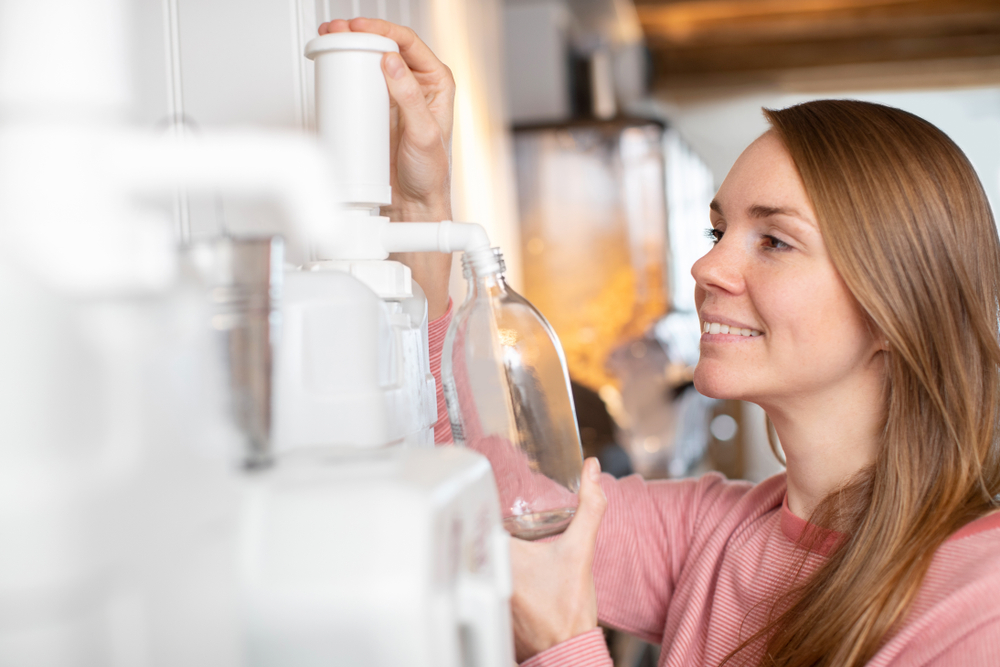
Online shopping provided a lifeline for retailers and consumers alike during a string of Covid lockdowns. But as restrictions ease, consumers are keen to rediscover the unique experiences that only physical in-store shopping can offer.

Research by retail and hospitality software provider Fourth reveals that 31% of retailers believe that the brands willing and able to diversify and differentiate the in-store experience will be ahead of the pack this year.

The research is included in Fourth’s most recent whitepaper: Post-pandemic retail: Retail leaders’ plans and predictions for the industry, which considers the future landscape for bricks-and-mortar retailers.

For example, 29% of the UK retail leaders questioned said that they believed a key challenge post-pandemic would be how to attract shoppers back into physical stores. Other challenges include unpredictable consumer demand (27%), competition from online retail (26%), and Covid safety concerns (26%).

One of the ways physical retailers can compete with their online counterparts is by offering a more premium in-store experience. Almost four in ten (39%) of those questioned plan to do this by reducing offers, while another 35% feel that greater brand interaction can be achieved in-store by blending physical and online consumer experiences.

These findings prove wrong the predictions that physical retail will diminish to make way for an online shopping experience. Instead, retailers are showing a desire to focus on bricks-and-mortar retail and make it more appealing to shoppers.

Alongside plans to create a more premium in-store experience, retailers will also be working hard to boost loyalty among in-store shoppers. They plan to do this through apps and technology (33%), or more frequent sales and in-store only offers (32%). Nearly half (47%) of larger retailers intend to expand their product range as a way to compete with online offerings and remain competitive.

Speaking about the research, Sebastien Sepierre, EMEA managing director at Fourth said that some retailers “expected to completely reinvent the in-store experience to offer something customers simply can’t get online.”

He continued: “We can expect to see an increase in pop-up retail spaces and more collaborative shop-in-shop concepts offering unique and immersive elements.”

If you’re looking for ways to reinvent the retail experience for your customers and create a more premium in-store experience, Delta can help. Get in touch with our friendly team today: hello@thedeltagroup.com

Retailers aren’t just seeing a few shoppers returning to physical stores – consumers are returning in significant numbers as Covid restrictions start to ease.

According to a new survey by on-premise media solutions company Mood Media, 80% of consumers feel either ‘somewhat comfortable’ or ‘very comfortable’ about going into bricks-and-mortar stores again. That figure has risen from 71% in 2020.

Mood Media’s Shopper Sentiments: A June 2021 Global Mood Survey, which was carried out in the UK, US, France and China, shows consumer confidence is growing around the world.

Six in ten of those questioned expect their shopping habits to have returned to pre-pandemic levels by the end of 2021. Meanwhile, 21% said their shopping habits had already returned to pre-Covid levels.

At the other end of the scale, the findings were also encouraging – just 5% of shoppers said they didn’t feel ‘comfortable at all’ about returning to the high street.

Physical stores continue to add value to the shopping experience. Nearly half (45%) of those surveyed said the thing they missed most about shopping during lockdown was the ability to touch and try on items in store. 

The experience of shopping with friends and family (35%), along with the ability to take an item home immediately (35%), were also cited as having been missed when shops were closed.

Since the pandemic began, consumers have enjoyed closer links between physical and digital retail. For example, 33% stated they plan to continue using click and collect in the future.

The survey also found that, in spite of months of uncertainty, consumer spending is increasing. Just under one third (29%) of respondents in June 2021 reported a rise in their spending, compared to 23% in September 2020.

Speaking about the findings, Scott Moore, global CMO at Mood Media said: “We’re experiencing a healthy buzz as shops reopen to a ‘new normal’ throughout the world.”

He continued: “The pandemic placed pressure on stores to innovate at a faster pace, leading to an accelerated ‘physical’ evolution which merges the physical and digital shopping experience.

“The survey highlights key physical trends that will be a focus for retailers and the customer journey beyond the here and now.”

If you’re looking for ways to merge the physical and digital shopping experience, the team at Delta Group can help. Drop us a line at hello@thedeltagroup.com.

The male beauty industry is undergoing something of an evolution. No longer restricted to a handful of celebs donning makeup, the idea of men’s beauty is reaching beyond the realms of simply ‘ male grooming’.

Today’s TikTok generation and celebs have a more holistic idea of what masculinity means. And more importantly, they know that men who want to look good should have access to a range of beauty products – not just shaving foam, moisturiser and hair gel.

One celeb that might spring to mind is Harry Styles, who will soon be launching his signature line of cosmetic products. Or Alex Rodriguez, aka A-Rod (former baseball pro and J-Lo’s ex), who has launched a concealer.

This boom in male beauty can be attributed to a number of things. Partly spurred by Gen Z’s rejection of gender norms, it has also been driven by the global pandemic. An increased focus on self-care, coupled with a growing sense of image consciousness during video calls, has resulted in men becoming much more open to playing with how they look.

Unsurprisingly, beauty brands are taking notice. After all, marketing to men as well as women is the most obvious way to double your customer base.

Men’s beauty means big business

The idea of male beauty is certainly on men’s minds. According to a report by Grand View Research, the global men’s personal care market is predicted to reach £75.8 billion by 2027.

Google search data from 2020 also reveals that queries about male skincare increased by 175% from the previous year, while searches for ‘makeup for men’ were up 86%.

Demand for men’s makeup in China, Japan and South Korea, for example, is thriving. According to Mintel, the beauty market for men in Korea is worth £9.5 billion. The driving force behind it? K-Pop stars that share their grooming routines with fans. And the trend is gaining traction in the West, too.

Shiseido Men, which first launched in 2003, has been reinvented for the 2020s. Chanel’s Boy de Chanel debuted in 2018 with a foundation, lip balm and brow pencil, but has expanded its product range since. While Estée Lauder’s Tom Ford Beauty, features a bronzing gel, concealer, brow definer and gel comb.

New brands for a new generation

Alongside the big names in health and beauty, there are a host of potential breakout stars eager to make their mark on the industry.

Heath London, a father-and-son owned company, has grown more than 130% each year since it launched in 2018. Another relative newcomer is the shaving brand Harry’s, which added four new products to its skincare range this year. Meanwhile, Ceylon – skincare designed specifically for men of colour – has seen double digit growth each quarter.

The brands are targeting a new generation of male consumers through platforms such as TikTok and Twitch, or via virtual reality experiences. These platforms allow brands to be culturally integrated into customers’ lives, as well as allowing them to educate customers about skincare and beauty.

The rise of ecommerce has also proved valuable. With more sales online, there is no longer the need for men to walk around a traditionally female-orientated department store’s beauty floor. All their skincare and beauty needs are just a click away.

Beauty beyond genders

For some brands, the idea of marketing one product to women and another to men is missing the point. For these brands, unisex products are more relevant.

Genderless skincare ranges include Good Light, One/Size, and Youth to the People. All these brands are designed around the idea that when it comes to make-up, one size fits all. With pared back packaging and language that transcends genders, the unisex appeal has the potential to reach far and wide.

But whatever the brand, the message from the male beauty space is clear: simplicity is key. Men wanting to look good is no longer an extreme concept. Instead, it just makes excellent business sense.

At Delta Group, we help health and beauty brands identify future trends and grow their business. We know that it’s what’s on the inside that really counts. But if using a few beauty products on the outside helps someone look and feel their best, then where’s the harm in that?

If you’d like to find out how we can help yours, get in touch today: hello@thedeltagroup.com

The global pandemic has had a huge impact on so many parts of everyone’s lives, including what customers want from retailers and their retail experiences.

According to new research by retail payment platform Cashflows, shared by Retail Times, more customers are making purchasing decisions based on retailers’ ethics. Over nine in ten (91%) of consumers in the UK say they are actively looking for more ethical products to buy, while 35% say this is more of a motivation in their buying behaviour than before the pandemic.

Age and geographical location play a part. Among 18-35 year olds (a prime retail demographic), this figure rises to 45% and for those living within Greater London to 47%. 

A total 43% of consumers aged 56+ prefer to buy local produce and British-made items (42%), while 18-35 years olds lean towards cruelty-free products (32%) and plastic-free/recycled packaging (30%).

However, saying you’d prefer to buy a certain kind of product and actually spending money on that item are two different things. The research suggests that consumers are not translating their intentions in actions, with 39% now making more purchases from chains and corporations, compared to pre-pandemic. Just 11% have reduced these purchases.

Yet, the intention to buy local is strong. More than six in ten (62%) consumers say they enjoy buying from local, independent retailers, and 70% are prepared to pay up to 10% more on an item from an independent/local shop compared to buying that same item in a larger chain store.

Speaking about the findings, Cashflow’s CEO Amanda Mesler stated: “Lockdown has been a cue for many to buy local and more strongly consider ethical factors, creating huge opportunity for independent retailers.”

But she pointed out that “cost, convenience and quality still reign supreme.”

Mesler continued: “To be successful and ensure high conversion rates, merchants must provide a smooth and seamless payment experience, which adds to the joy of purchase rather than extracting from it.”

At Delta, we help brands and retailers create these kinds of smooth, seamless shopping experiences. To find out how we can help your business better connect with your customers, get in touch today: hello@thedeltagroup.com.
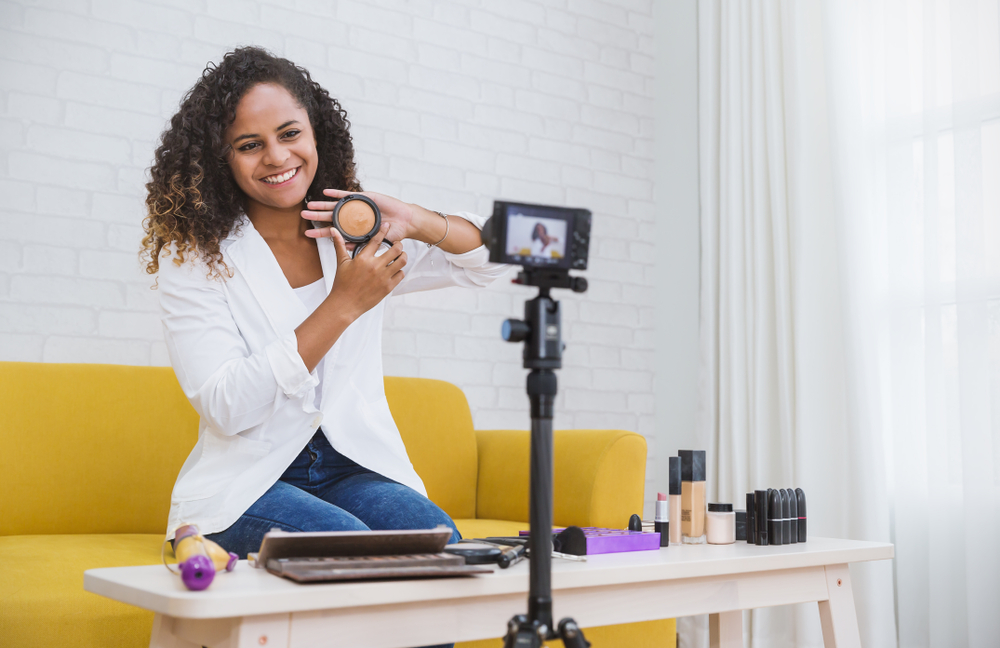
Influencers are changing the face of the beauty industry. TV and magazine ads no longer hold the power – instead, it has shifted into the hands of social media influencers on Instagram and YouTube. 

These individuals can essentially make or break a beauty product or brand, and the marketing industry is taking notice.

Not that the concept of influencers is particularly new, as Cosmetics Business points out. Brands have been using celebrities to promote their products for years. The difference, however, is that social media influencers are chosen by consumers rather than the brands themselves.

These beauty influencers are shaking up the industry, often challenging mainstream, conventional beauty for more inclusivity and ‘out there’ styles.

Some of the biggest Instagram influencers include Huda Kattan, Nyane Lebajoa, and James Charles. Product endorsement from any of these names can mean a significant (often overnight) sales upturn. 

Equally, there is also potential for influencers to cause serious damage to a brand. 

This shift of power away from beauty brands towards influencers has given cosmetic marketing a serious shake-up. Traditional notions of beauty have been left behind in favour of difference, diversity and individuality.

Big-name beauty influencers might hold significant sway in terms of numbers, but influencers with fewer followers can have a real impact on certain demographics.

Compared to their better-known Instagram counterparts, micro-influencers bring authenticity to the table. And while they might not have as many followers, the engagement rate among those followers can often be remarkably high. In other words, they are speaking a language that their audience understands and their followers are actively listening.

Influencers of all shapes and sizes offer brands a crucial link direct to the consumer. As a result, they don’t just respond to the needs of the market, they help shape it.

At Delta, we help brands and retailers deliver multi-channel marketing strategies that connect to their customers. To find out more, get in touch today: hello@thedeltagroup.com.