Archive for 2021

Home / 2021

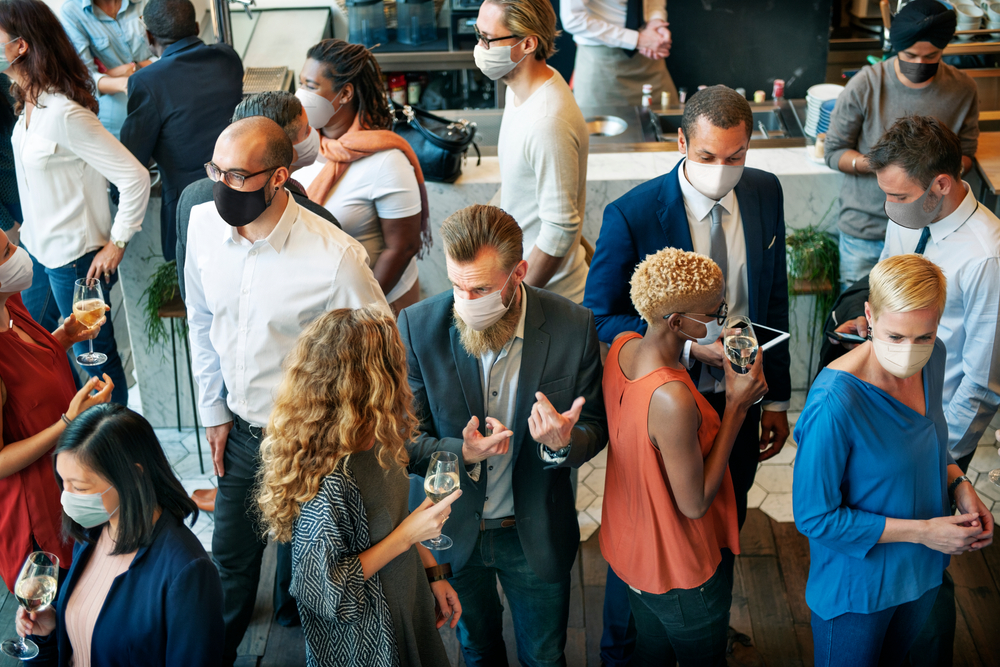
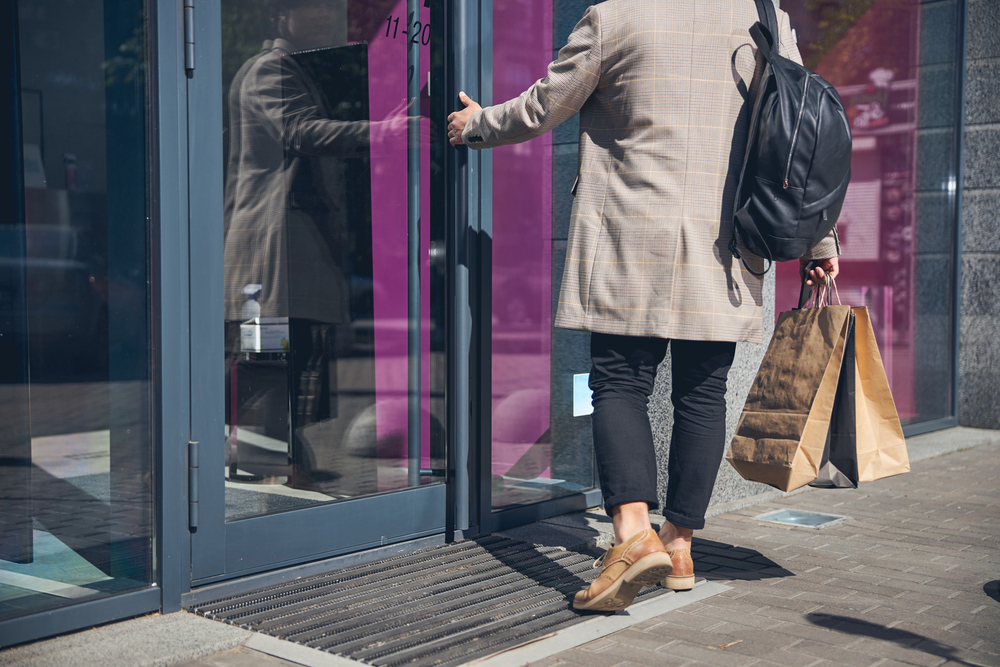
Retailers aren’t just seeing a few shoppers returning to physical stores – consumers are returning in significant numbers as Covid restrictions start to ease.

According to a new survey by on-premise media solutions company Mood Media, 80% of consumers feel either ‘somewhat comfortable’ or ‘very comfortable’ about going into bricks-and-mortar stores again. That figure has risen from 71% in 2020.

Mood Media’s Shopper Sentiments: A June 2021 Global Mood Survey, which was carried out in the UK, US, France and China, shows consumer confidence is growing around the world.

Six in ten of those questioned expect their shopping habits to have returned to pre-pandemic levels by the end of 2021. Meanwhile, 21% said their shopping habits had already returned to pre-Covid levels.

At the other end of the scale, the findings were also encouraging – just 5% of shoppers said they didn’t feel ‘comfortable at all’ about returning to the high street.

Physical stores continue to add value to the shopping experience. Nearly half (45%) of those surveyed said the thing they missed most about shopping during lockdown was the ability to touch and try on items in store. 

The experience of shopping with friends and family (35%), along with the ability to take an item home immediately (35%), were also cited as having been missed when shops were closed.

Since the pandemic began, consumers have enjoyed closer links between physical and digital retail. For example, 33% stated they plan to continue using click and collect in the future.

The survey also found that, in spite of months of uncertainty, consumer spending is increasing. Just under one third (29%) of respondents in June 2021 reported a rise in their spending, compared to 23% in September 2020.

Speaking about the findings, Scott Moore, global CMO at Mood Media said: “We’re experiencing a healthy buzz as shops reopen to a ‘new normal’ throughout the world.”

He continued: “The pandemic placed pressure on stores to innovate at a faster pace, leading to an accelerated ‘physical’ evolution which merges the physical and digital shopping experience.

“The survey highlights key physical trends that will be a focus for retailers and the customer journey beyond the here and now.”

If you’re looking for ways to merge the physical and digital shopping experience, the team at Delta Group can help. Drop us a line at hello@thedeltagroup.com.
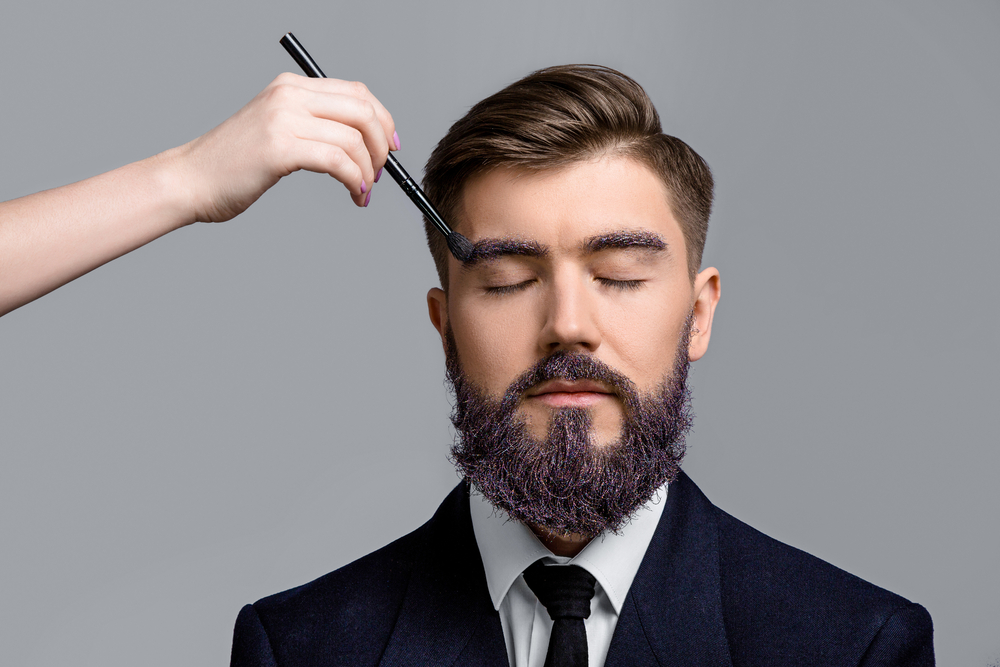
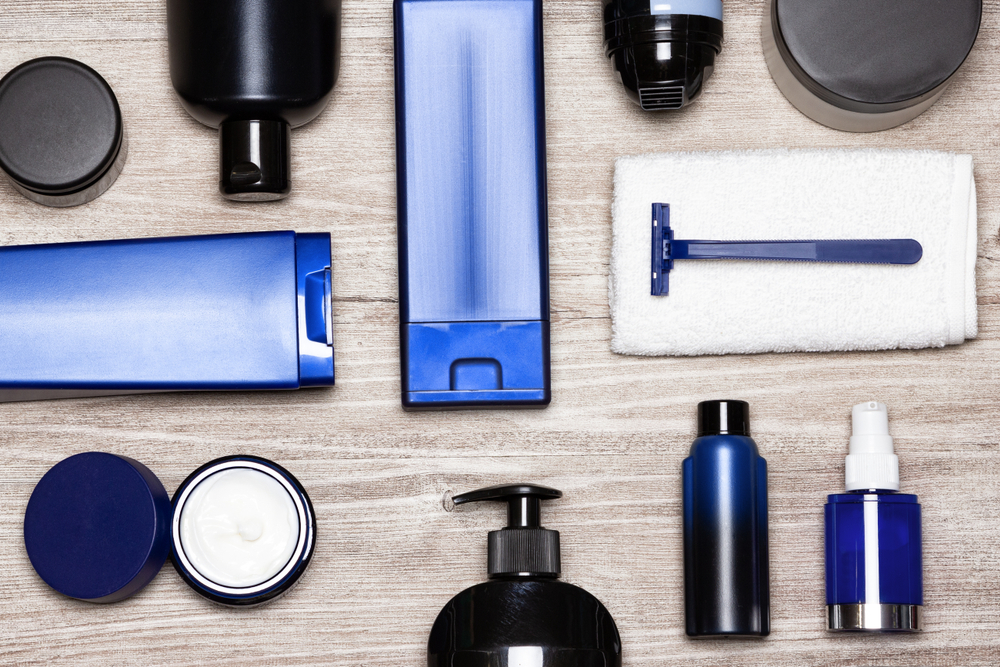
The male beauty industry is undergoing something of an evolution. No longer restricted to a handful of celebs donning makeup, the idea of men’s beauty is reaching beyond the realms of simply ‘ male grooming’.

Today’s TikTok generation and celebs have a more holistic idea of what masculinity means. And more importantly, they know that men who want to look good should have access to a range of beauty products – not just shaving foam, moisturiser and hair gel.

One celeb that might spring to mind is Harry Styles, who will soon be launching his signature line of cosmetic products. Or Alex Rodriguez, aka A-Rod (former baseball pro and J-Lo’s ex), who has launched a concealer.

This boom in male beauty can be attributed to a number of things. Partly spurred by Gen Z’s rejection of gender norms, it has also been driven by the global pandemic. An increased focus on self-care, coupled with a growing sense of image consciousness during video calls, has resulted in men becoming much more open to playing with how they look.

Unsurprisingly, beauty brands are taking notice. After all, marketing to men as well as women is the most obvious way to double your customer base.

Men’s beauty means big business

The idea of male beauty is certainly on men’s minds. According to a report by Grand View Research, the global men’s personal care market is predicted to reach £75.8 billion by 2027.

Google search data from 2020 also reveals that queries about male skincare increased by 175% from the previous year, while searches for ‘makeup for men’ were up 86%.

Demand for men’s makeup in China, Japan and South Korea, for example, is thriving. According to Mintel, the beauty market for men in Korea is worth £9.5 billion. The driving force behind it? K-Pop stars that share their grooming routines with fans. And the trend is gaining traction in the West, too.

Shiseido Men, which first launched in 2003, has been reinvented for the 2020s. Chanel’s Boy de Chanel debuted in 2018 with a foundation, lip balm and brow pencil, but has expanded its product range since. While Estée Lauder’s Tom Ford Beauty, features a bronzing gel, concealer, brow definer and gel comb.

New brands for a new generation

Alongside the big names in health and beauty, there are a host of potential breakout stars eager to make their mark on the industry.

Heath London, a father-and-son owned company, has grown more than 130% each year since it launched in 2018. Another relative newcomer is the shaving brand Harry’s, which added four new products to its skincare range this year. Meanwhile, Ceylon – skincare designed specifically for men of colour – has seen double digit growth each quarter.

The brands are targeting a new generation of male consumers through platforms such as TikTok and Twitch, or via virtual reality experiences. These platforms allow brands to be culturally integrated into customers’ lives, as well as allowing them to educate customers about skincare and beauty.

The rise of ecommerce has also proved valuable. With more sales online, there is no longer the need for men to walk around a traditionally female-orientated department store’s beauty floor. All their skincare and beauty needs are just a click away.

Beauty beyond genders

For some brands, the idea of marketing one product to women and another to men is missing the point. For these brands, unisex products are more relevant.

Genderless skincare ranges include Good Light, One/Size, and Youth to the People. All these brands are designed around the idea that when it comes to make-up, one size fits all. With pared back packaging and language that transcends genders, the unisex appeal has the potential to reach far and wide.

But whatever the brand, the message from the male beauty space is clear: simplicity is key. Men wanting to look good is no longer an extreme concept. Instead, it just makes excellent business sense.

At Delta Group, we help health and beauty brands identify future trends and grow their business. We know that it’s what’s on the inside that really counts. But if using a few beauty products on the outside helps someone look and feel their best, then where’s the harm in that?

If you’d like to find out how we can help yours, get in touch today: hello@thedeltagroup.com

The global pandemic has had a huge impact on so many parts of everyone’s lives, including what customers want from retailers and their retail experiences.

According to new research by retail payment platform Cashflows, shared by Retail Times, more customers are making purchasing decisions based on retailers’ ethics. Over nine in ten (91%) of consumers in the UK say they are actively looking for more ethical products to buy, while 35% say this is more of a motivation in their buying behaviour than before the pandemic.

Age and geographical location play a part. Among 18-35 year olds (a prime retail demographic), this figure rises to 45% and for those living within Greater London to 47%. 

A total 43% of consumers aged 56+ prefer to buy local produce and British-made items (42%), while 18-35 years olds lean towards cruelty-free products (32%) and plastic-free/recycled packaging (30%).

However, saying you’d prefer to buy a certain kind of product and actually spending money on that item are two different things. The research suggests that consumers are not translating their intentions in actions, with 39% now making more purchases from chains and corporations, compared to pre-pandemic. Just 11% have reduced these purchases.

Yet, the intention to buy local is strong. More than six in ten (62%) consumers say they enjoy buying from local, independent retailers, and 70% are prepared to pay up to 10% more on an item from an independent/local shop compared to buying that same item in a larger chain store.

Speaking about the findings, Cashflow’s CEO Amanda Mesler stated: “Lockdown has been a cue for many to buy local and more strongly consider ethical factors, creating huge opportunity for independent retailers.”

But she pointed out that “cost, convenience and quality still reign supreme.”

Mesler continued: “To be successful and ensure high conversion rates, merchants must provide a smooth and seamless payment experience, which adds to the joy of purchase rather than extracting from it.”

At Delta, we help brands and retailers create these kinds of smooth, seamless shopping experiences. To find out how we can help your business better connect with your customers, get in touch today: hello@thedeltagroup.com.

Influencers are changing the face of the beauty industry. TV and magazine ads no longer hold the power – instead, it has shifted into the hands of social media influencers on Instagram and YouTube. 

These individuals can essentially make or break a beauty product or brand, and the marketing industry is taking notice.

Not that the concept of influencers is particularly new, as Cosmetics Business points out. Brands have been using celebrities to promote their products for years. The difference, however, is that social media influencers are chosen by consumers rather than the brands themselves.

These beauty influencers are shaking up the industry, often challenging mainstream, conventional beauty for more inclusivity and ‘out there’ styles.

Some of the biggest Instagram influencers include Huda Kattan, Nyane Lebajoa, and James Charles. Product endorsement from any of these names can mean a significant (often overnight) sales upturn. 

Equally, there is also potential for influencers to cause serious damage to a brand. 

This shift of power away from beauty brands towards influencers has given cosmetic marketing a serious shake-up. Traditional notions of beauty have been left behind in favour of difference, diversity and individuality.

Big-name beauty influencers might hold significant sway in terms of numbers, but influencers with fewer followers can have a real impact on certain demographics.

Compared to their better-known Instagram counterparts, micro-influencers bring authenticity to the table. And while they might not have as many followers, the engagement rate among those followers can often be remarkably high. In other words, they are speaking a language that their audience understands and their followers are actively listening.

Influencers of all shapes and sizes offer brands a crucial link direct to the consumer. As a result, they don’t just respond to the needs of the market, they help shape it.

At Delta, we help brands and retailers deliver multi-channel marketing strategies that connect to their customers. To find out more, get in touch today: hello@thedeltagroup.com.

Retail summer sales hit a four year high in June, according to figures from the Confederation of British Industry (CBI) cited by the Guardian. As Covid restrictions lift, shoppers are returning to the high street, causing online sales to slow.

The combination of growing confidence as a result of the UK’s vaccination programme, and the easing of lockdown restrictions, has driven sales up. The result has been the strongest sales since November 2016.

With consumers heading back to the high street, the rate of online sales slowed to its lowest level since April 2020.

And as shoppers are encouraged back into physical stores, retailers are struggling to keep up with demand. The stock level versus expected sales demand ratio plummeted to its lowest level since the CBI first started monitoring it in 1983.

In the survey of 117 retailers, CBI found that retail, wholesale and motor trade businesses all described relative stock levels as ‘too low’. This is a trend we are seeing in many developed countries, driven by a global shortage of raw materials and supplies. The fear now is that manufacturers will be forced to drive up prices, the impact of which will hit consumers in the pocket, too.

According to a number of experts, the UK is poised on the edge of recession. The Resolution Foundation think-tank predicts consumer price inflation could rise to 4% this year. Meanwhile, the Bank of England monetary policy committee anticipates it will rise to above 3% (but is yet to specify an exact figure).

For now, sales in many areas look strong – home improvement, in particular. The CBI survey revealed that supermarkets, DIY, furniture, carpet and hardware retailers have all experienced strong sales this summer.

Department stores have seen sales return to expected levels for June. 

However, clothing shops are reporting slow sales with the majority of shoppers reluctant to buy a new summer wardrobe with the ongoing uncertainty around overseas travel.

There is still some way to go for retailers. Speaking about the findings, Ben Jones, CBI’s principal economist, stated: “The sector remains a long way from a full recovery.”

He continued: “The return of demand is patchy, with inner-city footfall still well down. The outlook is clouded somewhat by supply pressures, with stocks seen as too low compared with expected sales, as logistical and capacity challenges continue to hamper global activity.”

At Delta Group, we help retailers boost sales and stand out from the competition. To find out how we can help your business, get in touch today: hello@thedeltagroup.com.

The global pandemic has meant retail will never be the same again. The strong surge in eCommerce during the Covid outbreak had a huge impact on the high street, but also helped lift spirits among lonely Brits.

According to a YouGov survey of 2,000 people, shared by The i, more than half of British consumers said their mental health suffered during the pandemic. Nearly a quarter said they used online shopping as a coping mechanism.

Speaking about the survey’s findings, Sabrina Spielberger, founder of Digidip, the advertising technology group that commissioned the research said: “The last year has been incredibly tough for many people […] but online shopping has allowed people to find small amounts of gratification.”

However, she highlighted that the expectation was that “a large number of people” would head back to physical stores now restrictions have eased.

Online retail therapy might have boosted customers’ spirits during lockdown, but it’s physical retail therapy many shoppers now crave.

After a year of lockdowns and loneliness, customers are desperate to connect once again. Digital retail experiences – while a comfort over the past 12 months – are too impersonal for many consumers and lack that human, personal touch. Shoppers are increasingly keen to experience the more natural, immersive, personalised experience of bricks-and-mortar retail.

Research by customer relationship platform HubSpot reveals that more than half of UK shoppers are keen to return in-store after more than a year of having to do the majority of their shopping online. Over half (52%) of those questioned said they want to shop in person again, while just 22% want to buy online.

As Christian Kinnear, senior vice president and managing director, EMEA, at HubSpot explained, retailers need to ensure consumers are able to engage with them “in a human way.”

He continued: “While the pandemic forced everyone online, the re-opening will be about balancing digital services with the human touch we’ve all been craving.”

At Delta Group, we help retailers and brands give customers what they want, in-store and beyond. Find out more: hello@thedeltagroup.com 

Before Covid turned the way we work on its head, in-person events and meetings were a big deal. They allowed professionals to network, get away from their screens, and – dare we say it – have fun.

But the flipside of this was that events happened all the time. This meant they were time-consuming and could go on long past traditional office working hours.

Of course, that was all before the pandemic struck. Practically overnight we went from in-person events and meetings to the online variety, sometimes back-to-back. Zoom fatigue took hold and business professionals were as busy as ever – just in their own homes, rather than the office.

Today, as restrictions start to lift, the vaccination roll-out continues and offices begin to open their doors once more, employees are taking stock. For most people, a return to normality is welcomed. But many have become more mindful about how they spend their time, money and energy.

Are we ready to return to in-person events?

Events are still a crucial part of any marketing strategy, so it’s good to know that sentiment surrounding in-person events is largely positive. 

According to a survey by global event consultants Global DMC Partners, 70% of event planners are preparing to hold physical events by Q4 of 2021.

But while a return to events is a given, we shouldn’t expect them to be the same as pre-pandemic. Companies will be looking to create a balanced portfolio of in-person, hybrid and virtual events. The Global DMC Partners research revealed that many events will be much smaller, may require proof of Covid vaccinations, and could include testing on arrival. 

IRL vs virtual events

In-person events might be poised to make a comeback, but they’re going to have to be carefully considered and more intentional than ever before. So, we can say goodbye to events as we know them, and hello to a less hectic, more deliberate pace going forward.

According to Erica Metzger, beauty and fashion director at Better Homes & Gardens, you can describe these new-look events in one word: efficient.

Virtual events tend to work best when they are limited to around 30 mins. That’s just enough time to deliver a short, streamlined, informative presentation. But that doesn’t leave much time for the ‘experiential’ element. And it’s no secret that experiential can struggle to translate into a virtual forum.

While many miss the dynamics of an in-person event, it seems virtual events are likely to remain part of the events landscape post-pandemic. After all, they save time and make events more inclusive to attendees who are not able to get to a physical location. The expectation is that hybrid events will become more mainstream, offering guests a virtual option alongside an IRL experience. That way, everyone gets to take part – and event organisers can reach out to a much wider audience.

The new in-person events: 3 questions

With so many people keen to see the return of events with a more experiential focus, organisers need to be mindful of new challenges and considerations.

1 How to add value to an event?

You don’t want to organise just any event. You want an event that feels poignant, makes attendees feel special and creates an experience to remember. Product trials, demos and other in-person experiences are hard to replicate via virtual events, so will be welcomed by attendees. 

2 What Covid safety procedures are required?

For some attendees, the idea of returning to in-person events could cause some feelings of anxiety. It is important to make sure guests are fully aware of the safety measures being taken and the Covid-safety procedures being followed. 

Be very clear about mask wearing, on-site testing, or vaccination status checks. Equally, the size of an event could have a bearing on how comfortable a guest feels. Larger events aren’t going to appeal to everyone. Smaller events can result in more meaningful interaction and offer value to brands and attendees alike. 

3 Is an in-person event absolutely necessary?

One really important question any event organiser needs to ask themselves in 2021 is whether the need to gather in person is absolutely essential. If it is, then the wheels for a physical event should be set in motion. But if it’s something that could work just as well via Zoom, then that option needs to be thoroughly explored. 

As we move forward, people are going to become more selective about which events they actually attend – so the more experiential, the more appealing an event becomes. Meanwhile, travel is also going to be a major consideration for some attendees, not just because of the time it takes to get to and from in-person events, but also because of health and safety concerns when taking public transport.

At Delta Group, our experienced experiential team can help bring your in-person or hybrid event to life and engage with consumers post-pandemic. We bring brands to life, deliver memorable experiences and can help you reach your audience. 

To find out more, get in touch with the team today at: hello@thedeltagroup.com 

Nowadays, shoppers have come to expect a seamless, efficient and flexible omnichannel approach to customer service, as well as engaging in-store experiences.

Retailers need to stay ahead of the game and digital signage could be the answer.

By helping brands harness new opportunities, this technology can engage shoppers, boost sales and deliver a seamless customer journey.

This whitepaper shares top tips for retailers looking to make an impact with digital signage.

Click the image below or download here.


Anyone organising an event wants attendees to feel comfortable. This has never been more true as we ease out of lockdown and prepare for a post-pandemic era.

All live events must follow government Covid-19 regulations, which inevitably means there is a huge amount to think about during the planning stages.

A key consideration is that attendees may be feeling a certain amount of anxiety about being part of a large group. Even with the success of the UK’s vaccination programme and the low level of cases right now, the idea of gathering in large groups may still take some getting used to.

Here are five tips on how to help everyone feel comfortable and safe at in-person events.

1. Be clear about safety measures, but don’t let them take over

It is important that you communicate the steps you’re taking to ensure an event is Covid-safe; your staff and attendees will appreciate in-depth information. However, don’t make safety measures the main focus when someone visits the event’s webpage, social media or other marketing material.

We’re all well aware we’re emerging from a global pandemic. Guests just need reassurance that the event will be adhering to guidelines and keeping everyone safe. You need to find the right balance – being clear that Covid-safety is a top priority and pointing attendees in the fight direction for more information. But remember, guests will be just as keen to find out about the event itself as they are about safety measures.

2. Stay updated on changes and show you’re being compliant

The rules, restrictions and guidance around Covid are changing all the time, so it’s important to let attendees know you’re up-to-date and on top of the latest requirements. Following rules about masks, sanitation stations and venue capacity will put attendees’ minds at rest and help them feel more comfortable.

The UK has a roadmap in place, but that is not set in stone. Local and regional restrictions have not been ruled out and event planners need to be prepared for every eventuality. Make sure the whole team is kept updated on the latest regulations and are able to answer attendees’ questions.

3. Be upfront about any screening procedures before attendees register for the event

Different events will have different screening procedures in place. Make sure you let would-be attendees know what is required in terms of test and trace, lateral flow tests, temperature checks, or medical questionnaires. More than likely attendees will be happy with these procedures – as long as they are made aware of them in advance.

Screening procedures are likely to become part of our routines over the coming months. We’re learning to accept these behaviours as commonplace and attendees will recognise that these processes are in place to keep them and those around them safe.

4. Have on-site safety reminders

Don’t just limit your Covid-safety messaging to pre-event marketing. Make sure you have plenty of on-site reminders about safety measures as well. This could include additional signage about one-way systems, reminders to wear a face covering, and a nudge about social distancing.

Staying consistent with your communication and being very clear about your intentions will help attendees feel more relaxed and able to enjoy the event. Saying that, don’t go overboard on your on-site messaging. You don’t want guests to feel like they’ve just entered a maximum security prison. Just let them know what’s been done to keep them safe and where they can find more information if they want it.

5. Keep communicating with attendees post-event

Just because an event is over, doesn’t mean the safety measures should end as well. Staying in touch with attendees will not only help if someone tests positive after the event, but also allows you to gather feedback about the safety protocols in place. If the results of these post-event surveys are good, they can be used to promote future events and show you have a positive Covid-safety track record. The results can also be used to inform safety decisions at your next event.

Delta: Powerful visual communications

Winning back the confidence of guests attending in-person events is going to take some time and a lot of effort. With limited social encounters for so many months, people are understandably going to be wary about large gatherings.

Regardless of what safety measures you put in place, clear and consistent communication before, during and after the event will be key to helping attendees feel at ease.

At Delta, our dedicated event team is on-hand to support your requirements, and help to ensure your event is a great success. To find out what we can offer, get in touch today at hello@thedeltagroup.com

Some had speculated that the reopening of non-essential retail stores could signal a reverse in the upward trajectory of online spending. That wasn’t quite the case…

As consumers flocked back to physical stores, online spending didn’t increase as quickly as it had in previous months during lockdown. However, the outlook is still positive.

According to findings from the IMRG Capgemini Retail Index, shared by Retail Week, overall online sales were up 10.2% in April compared to a year earlier. But figures compared to the previous month show online sales were down 12%.

Year-on-year sales growth for April was also below the three-, six- and 12-month rolling averages – all around the 50% mark.

But while online sales were strong in some categories – the fashion sector, for example, was up almost 61% – not all retail categories had the same good fortune.

During April, health and beauty products reported a 9% slump in sales, demand for garden products declined by 13%, and electrical items saw their first drop in sales in 19 months, falling nearly 4%.

Speaking about these findings, Andy Mulcahy, strategy and insight director at IMRG, said: “While online growth might have dropped away from 70-80% between January and March to 10% in April, this is largely as growth rates are now comparing with pandemic-period rates from 2020.”

As Mulchay pointed out, it’s hard to build upon such strong performance.

He continued: “The rate of online growth is currently somewhere between average and good […] As people get more options for spending their money in late May and into June, that will provide a sterner test.”

Lucy Gibbs, managing consultant and retail lead at Capgemini, added: “We can see the impact of the reopening of the high street when we look at month-on-month figures; however, despite the strong growth, we would typically see April compared with March as flat – this year April is -12% lower.”We predict that online demand will remain strong, but that’s not to say that customers aren’t keen to get back shopping in physical stores now that they are open again. You need to be prepared to battle the competition and deliver the best possible experience – need some help? Get in touch with the team at Delta today: hello@thedeltagroup.com.